
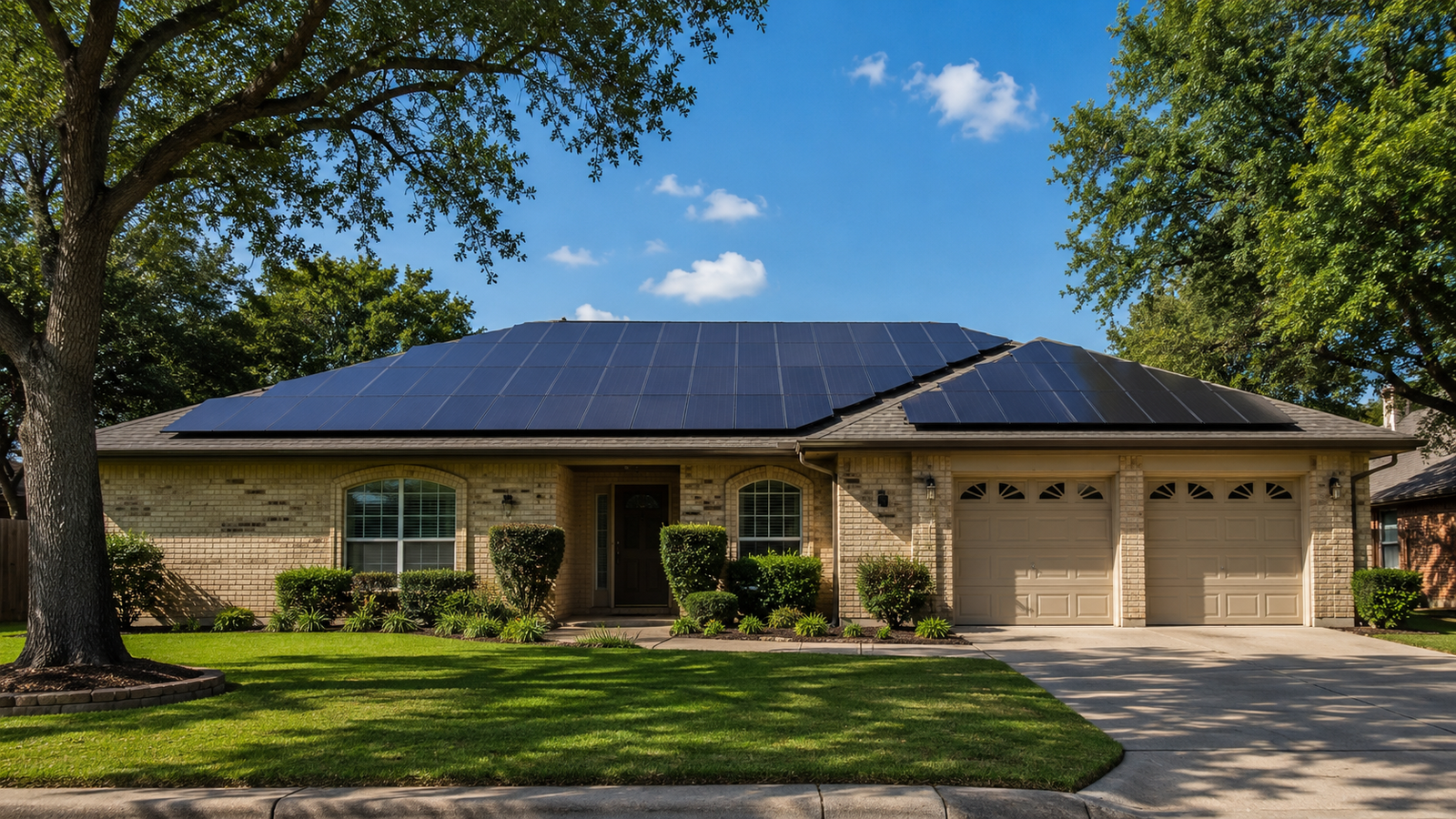
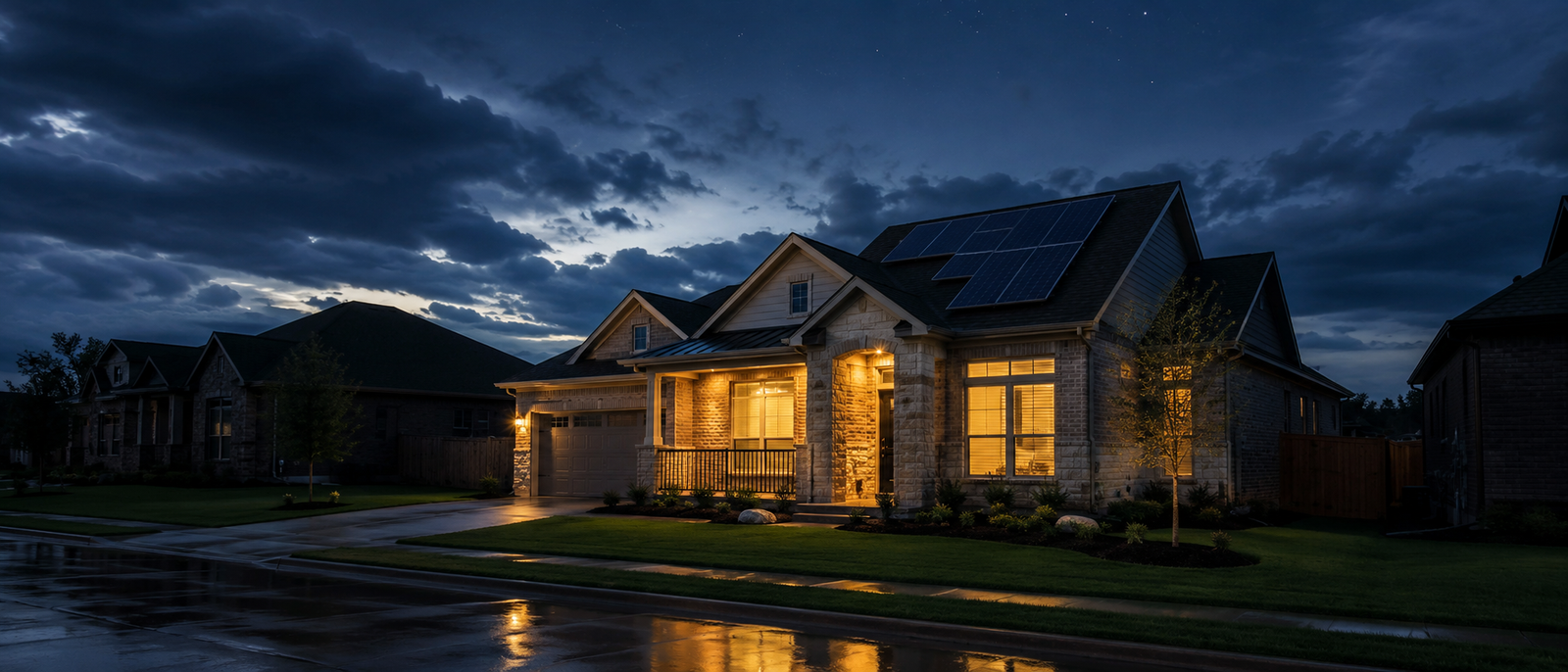
The Night the Neighborhood Went Dark
Texas Home Solar: One Electrical Designer’s Honest Take
I design utility-scale PV and BESS systems for a living. After Hurricane Beryl left our neighborhood without power for five days, I stopped designing systems only for other people and designed one for my own home. Here is what I learned.
Get a Free Quote from Good Faith EnergyThe Night the Neighborhood Went Dark
When we started looking into Texas home solar after Hurricane Beryl, nobody warned us how unreliable CenterPoint’s local grid could be. It seemed to take little more than a hard storm or a badly placed tree limb to lose power for the day. Then Hurricane Beryl showed us just how serious that problem could become.
The storm itself spared our house. The power did not come back for five days.
My wife uses a CPAP machine while sleeping. She went almost a week without it. We were not just hot and uncomfortable without air conditioning. She was also without medical equipment she needed. I do not know about you, but nobody threatens the health of my family without me doing something about it.
I am an electrical designer by trade and have worked on utility-scale PV and BESS projects. I had the knowledge to do something, and after Beryl, I had the reason. So I applied my professional experience to my own home.
What I Found Out When I Started Looking
The first thing I learned about Texas home solar was that a grid-tied solar system is not a normal DIY project. You cannot legally mount some panels, connect them to the house, and start sending electricity onto the utility grid. The system needs approved plans, permits, inspections, compliant equipment, utility interconnection paperwork, and the proper licensed professionals signing off on the work.
That makes sense. An improperly connected system can backfeed a line that utility crews believe is dead. I understood the danger. It simply meant I needed an installer who could handle the paperwork and construction while still allowing me to participate in the technical design.
I found Good Faith Energy through a trusted friend in the industry. Before I could contact them, a solar salesman knocked on my door. He said everything I wanted to hear. He was well trained, and even for someone who works in this industry, his pitch was polished. But his quote came in at more than $70,000, and the numbers were not adding up.
I reached out to Good Faith and told them I knew nothing about their company except that a trusted friend in the industry trusted them. Within two weeks, they had surveyed my house, run the calculations, and sent me a proposal. My final signed contract was $44,395, substantially less than the door-to-door offer.
The proposals were intended to serve the same basic goal, but they were not identical line for line. I am not going to pretend that every dollar of the difference came from one fee or markup. What the comparison showed me was how dramatically the sales structure, financing, commissions, and final system design can change what a homeowner pays.
I told them what I did for a living and asked to work directly with their engineering team. They were happy to let me. After working through the usage and backup goals with their technical team, we ended up with a system approximately 1.5 times larger than the sales-style system initially suggested for our house. That was intentional. I was not designing around the smallest array that could shave a few dollars off the bill. I was designing around whole-house operation, battery charging, and extended grid outages.
The result is a 10.53 kW DC array with two Tesla Powerwall 3 units providing 27 kWh of nominal battery storage. While the sun is up, the system powers the house and charges the batteries. At night, we draw from the batteries. Most months, the energy portion of our electric bill is either very small or offset by credits.
The Numbers, Honestly
I am not claiming that these are the numbers every homeowner will see, and I am not guaranteeing a particular result. I am simply showing you where I started and where I am now.
Our normal fixed monthly cost is about $310: roughly $300 for the solar and battery loan and about $10 for the utility’s base charge. Most months, the energy portion of the electric bill is either very small or offset by credits. We still buy a meaningful amount of power from the grid at times, especially during extended winter cloud cover or unusually heavy usage.
The highest post-installation electric charge we have seen was around $130. That occurred during a winter period when the array could not power the house and fully recharge the batteries each day.
So when I say we run the whole house for about $310 a month, I mean that this is our normal fixed baseline. It does not mean the utility can never add another dollar during periods of poor solar production. What it does mean is that our first electric bill after moving into this house was about $300. We are now operating the whole house for roughly the same amount, while also paying for the solar and battery equipment. The loan payment is fixed, while utility rates can continue to rise.
This is not primarily a savings story. It is a stability story. The question was never only whether solar would eventually pay for itself. The larger question was whether the house would still have power when the grid did not.
What “Whole-House Backup” Actually Means
When I say whole-house backup, I mean the backup system serves the entire house rather than a small critical-load panel containing only a few lights and appliances. We can run the central air conditioner, refrigerator, garage freezer, lights, outlets, and the rest of the normal household loads.
That does not mean the available energy is infinite. If solar production is poor and we run every heavy load without restraint, the batteries will eventually drain. Whole-house backup means the entire house remains available. It does not remove the limits of generation and storage.
What Would Have Happened During Beryl?
The morning Beryl arrived, the sky stayed dark well into the day. If our current system had been installed at the time, the batteries would have carried the house for part of that first day, but there would not have been enough solar production to recharge them fully.
We might have lost power for several hours that night after the batteries reached their reserve. That is the honest limitation.
The following day was bright, sunny, and hot. The array would have carried the daytime household loads and recharged the batteries. That night, the Powerwalls would have carried us until solar production returned the next morning. From that point forward, the house could have continued cycling between daytime solar and nighttime storage while the neighborhood remained without grid power.
That is what a properly sized PV and BESS system can do. It is not unlimited electricity. It is a daily energy cycle. The array has to support the daytime loads and replace the energy used overnight. When the weather interrupts that cycle, the household either has to reduce its load or eventually wait for the sun or grid to return.
Solar Is Not for Everyone in Texas, and I Mean That
I want to be direct about this because Texas home solar is not the right answer for every property. I would rather you make the right decision for your situation than follow my path into one that does not fit.
Some parts of Texas sit in serious tornado corridors. Other areas see hailstorms strong enough to damage a roof, let alone solar panels mounted on top of it. If you live in one of those areas, a natural gas generator may be the smarter investment. I would hate for someone to read this page, install a system, and then lose the equipment, remain responsible for the loan, and still be without power after the same storm.
Look at the full picture before making this decision. That is what the pages below are for.
What Are You Trying to Figure Out?
Every page below answers a real question Texas homeowners ask before making a decision. Start with the one that matches where you are right now.
Does Solar Actually Work During a Texas Power Outage?
Grid-tied solar normally shuts down when the grid goes out unless the system includes battery backup. Here is what many homeowners do not learn until they start shopping.
Read More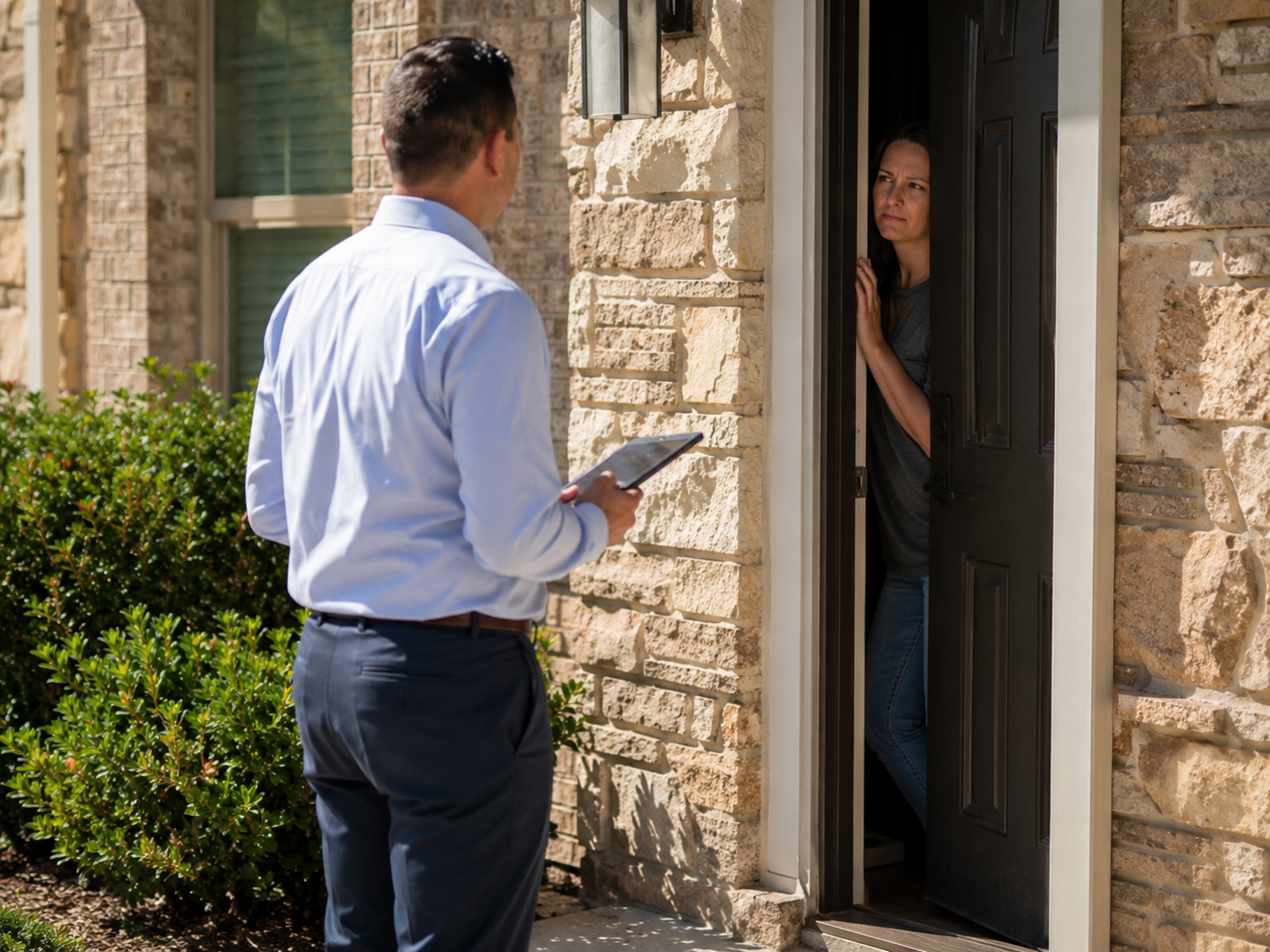
What the Door-to-Door Solar Guy Won’t Tell You
A salesman quoted me more than $70,000. I later signed a substantially lower contract for a larger system after working directly with another company’s engineering team. Here is how solar pricing can become inflated and how to protect yourself.
Read More
Is Solar Worth It in Texas?
The payback period is not the only question that matters. Here is what you should examine before deciding whether solar makes sense for your house.
Read More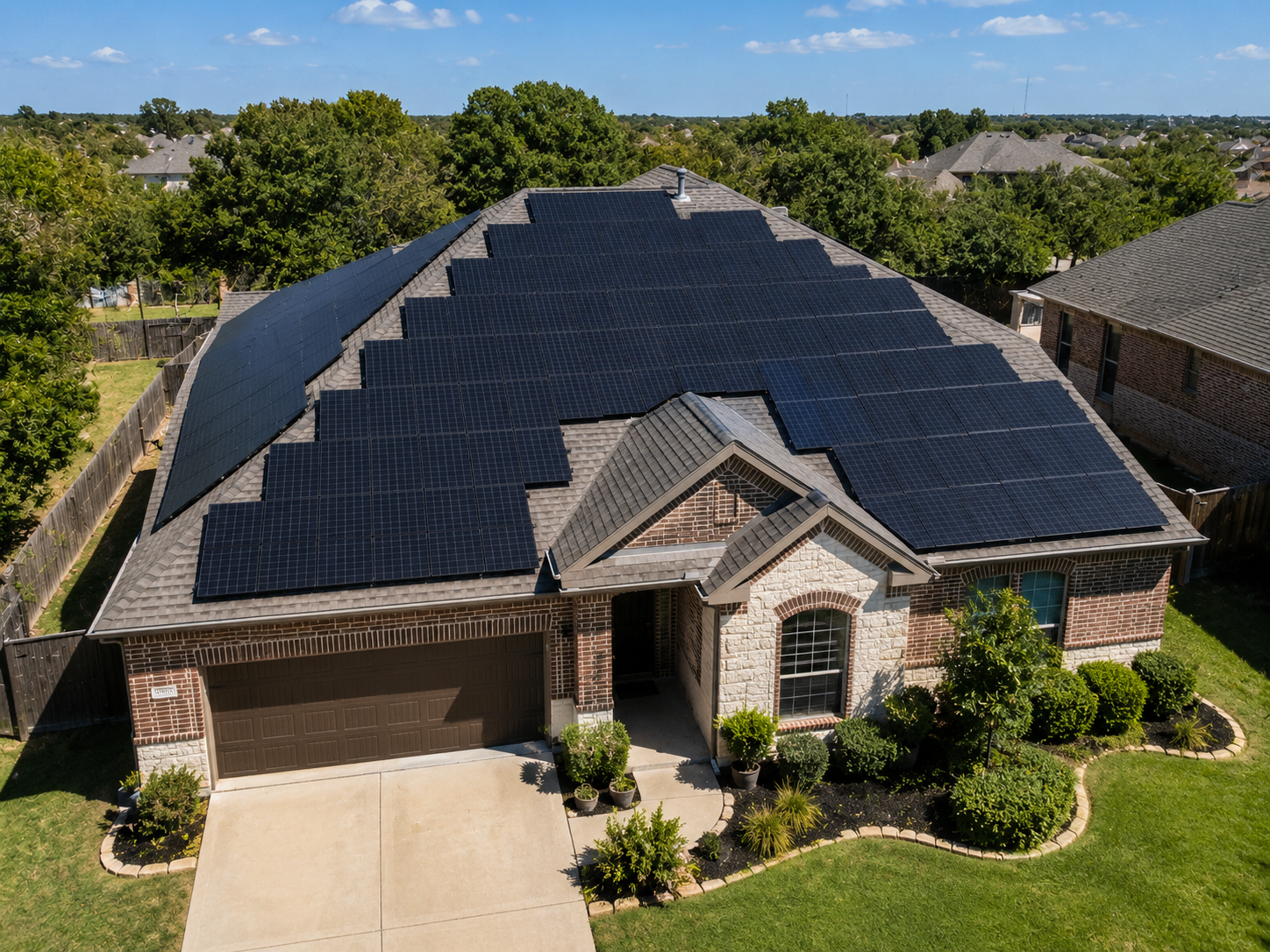
Tesla Powerwall 3 in Texas: Will It Really Run Your Whole House?
Your air conditioner may not be included in the backup plan. Here is why, and how to make sure the system can carry your whole house.
Read More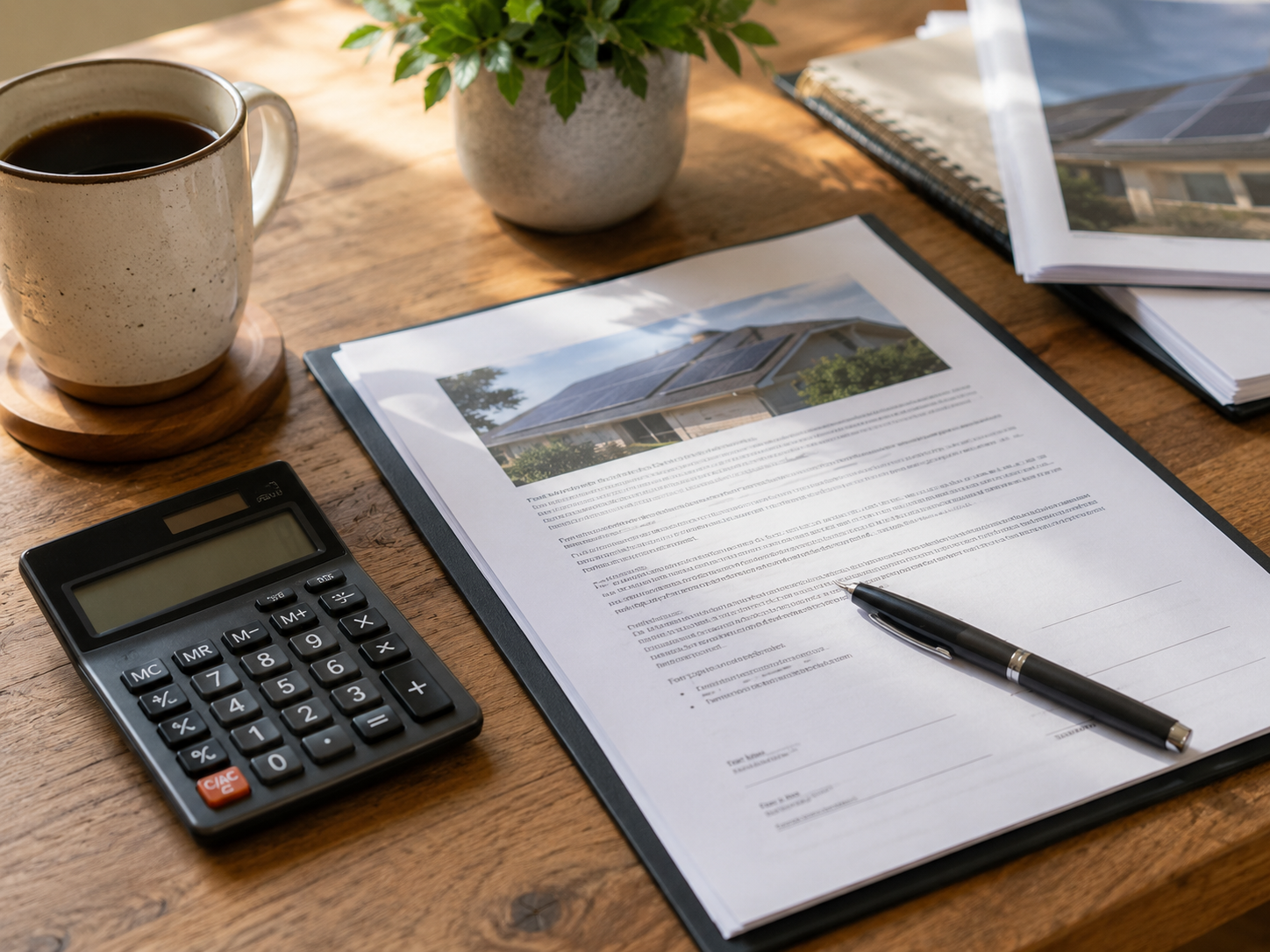
How Texas Solar Financing Actually Works
A low advertised interest rate can hide a much higher financed price. Here is what to compare before signing a long-term solar loan.
Read More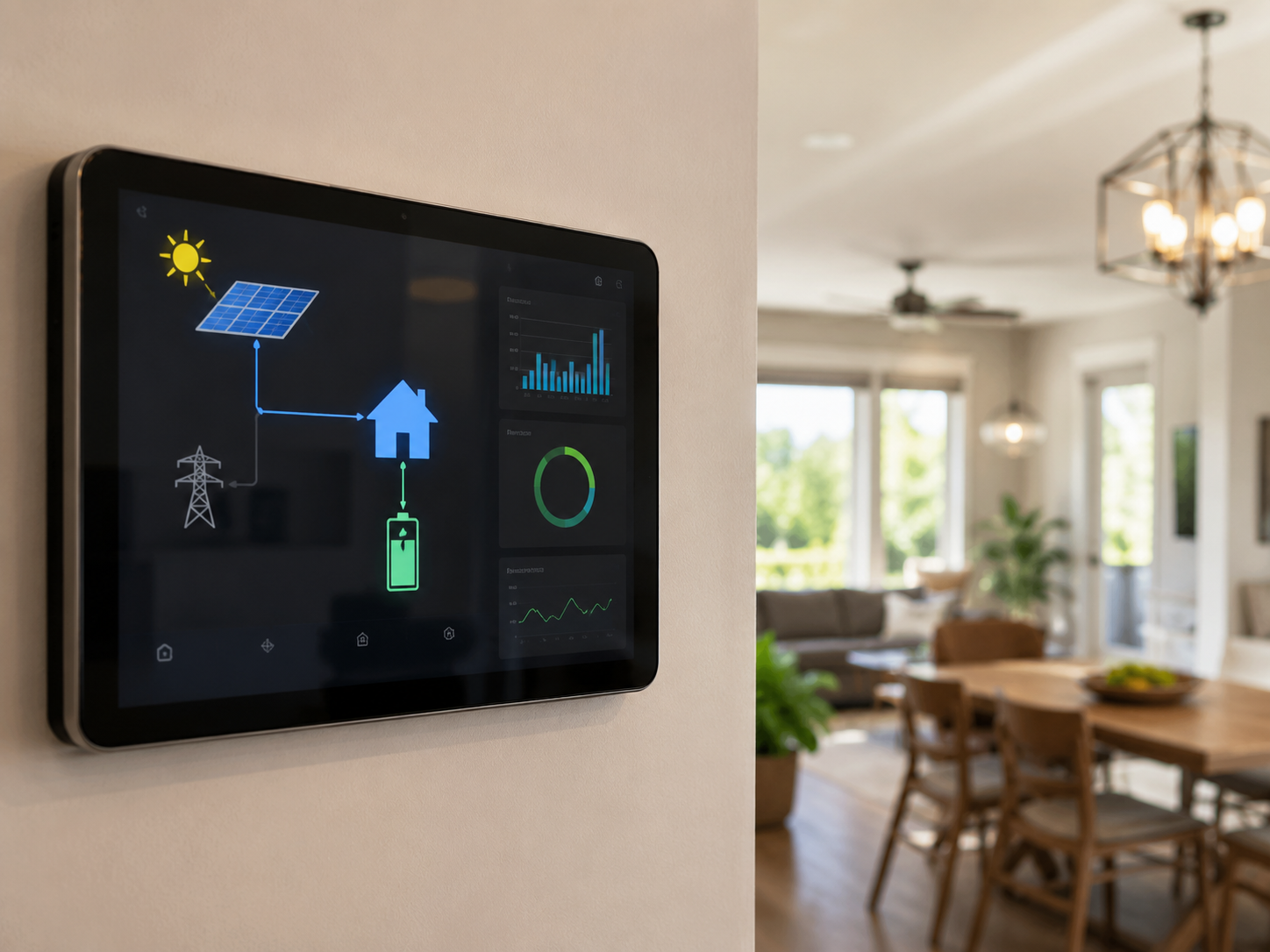
Texas Solar Buyback Plans Explained
Texas does not have statewide mandated net metering. Here is what that means for your system and why battery-first may be the smarter setup.
Read More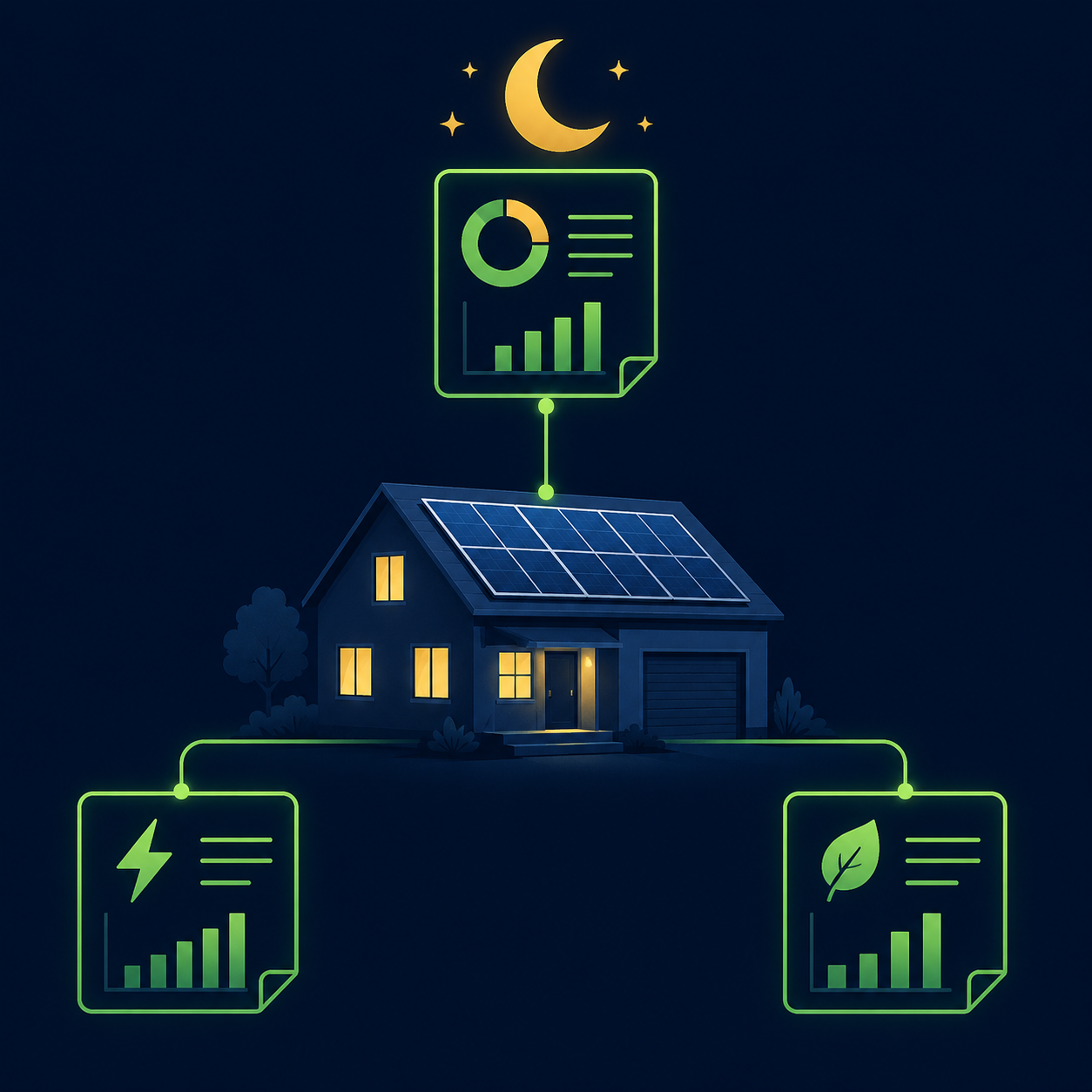
Texas Solar Shopping Guide: How We Found the Right Energy Plan
Buyback credits are not the only way to lower your bill. Here is how we used our own meter data to choose between a buyback plan and free nights, and what happened to our bill.
Read More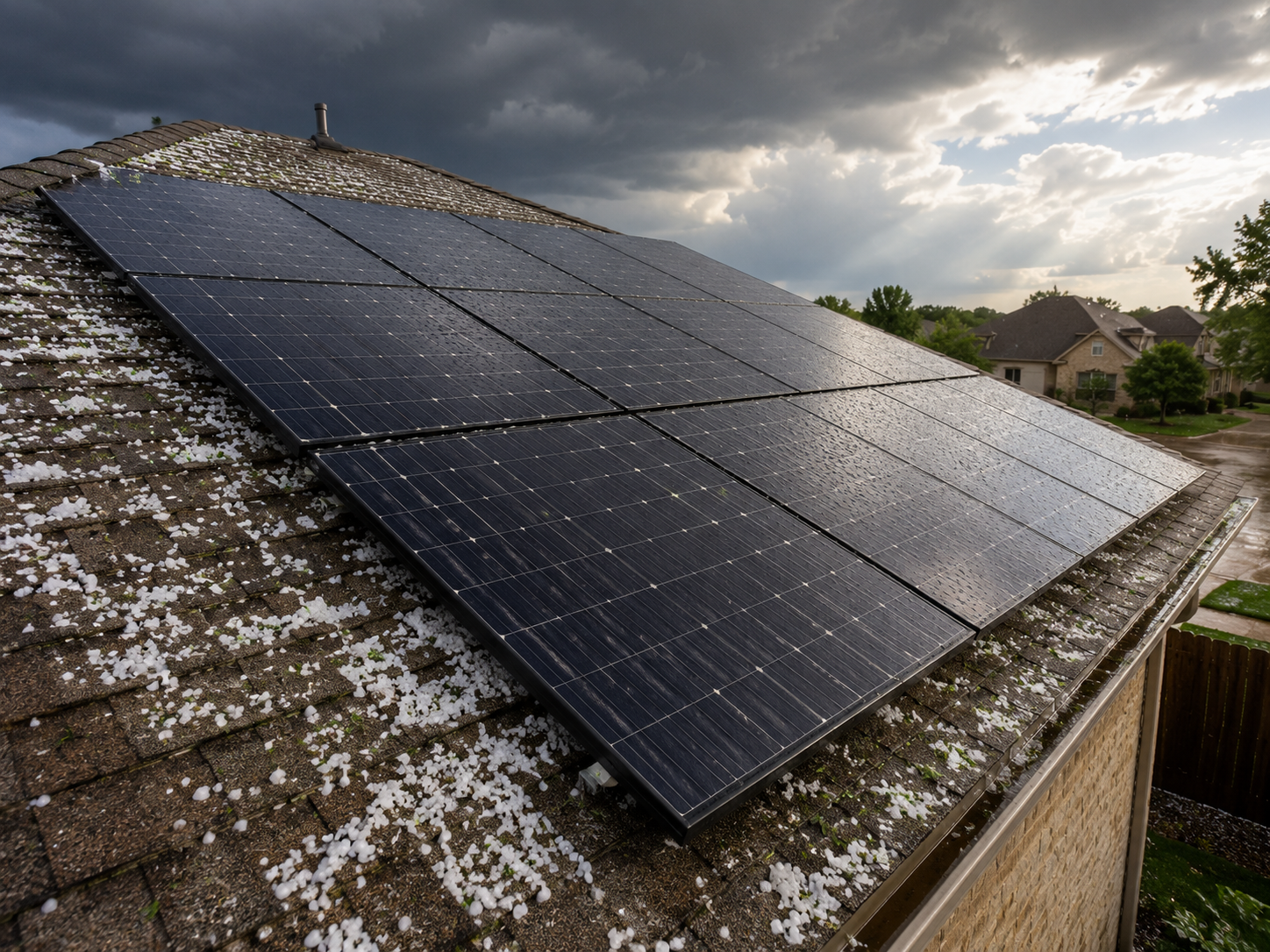
Texas Weather and Solar Panels: Hail, Hurricanes, and What to Know
Some parts of Texas may not be good candidates for rooftop solar. Here is an honest look at the weather risks before you commit.
Read More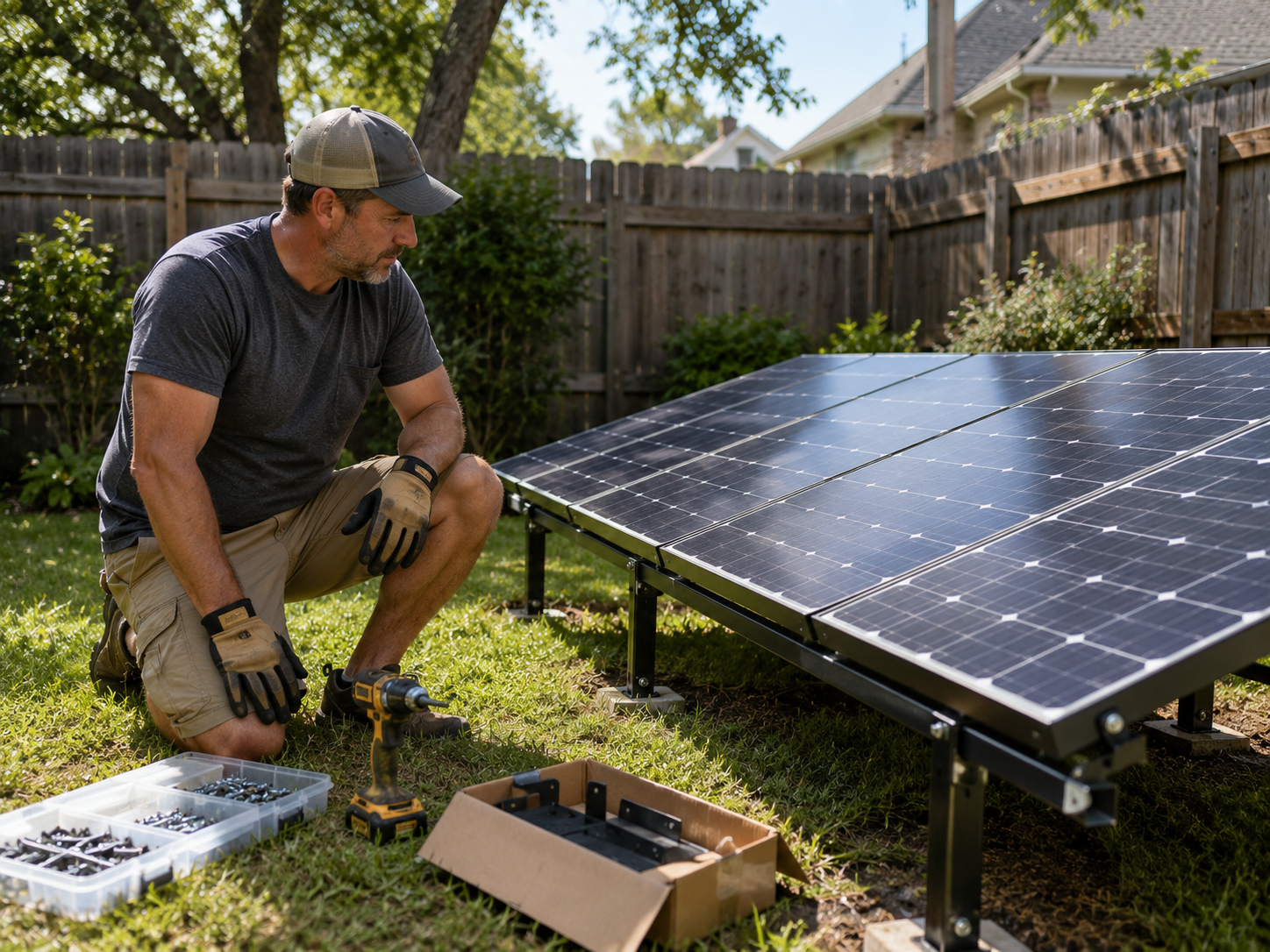
DIY Solar vs. Plug-and-Play: Which One Makes Sense for Texas Homeowners?
Those Amazon solar kits are tempting. Here is an honest comparison of DIY systems, plug-and-play products, and a full professional installation.
Read More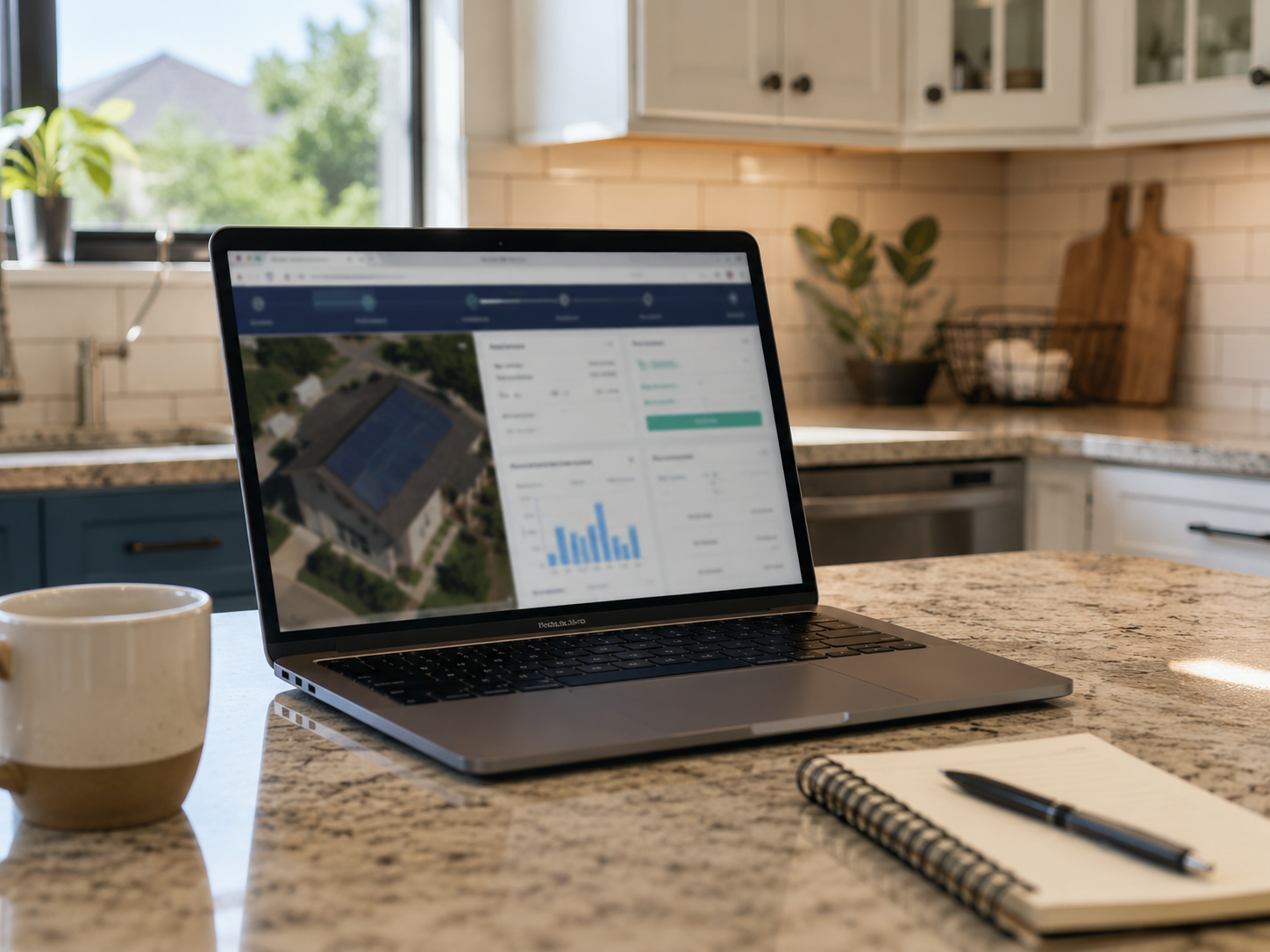
Texas Home Solar Power Calculator
Enter your electric bill to get a rough estimate of system size, battery needs, and monthly cost based on Texas conditions.
Try the Calculator
Good Faith Energy Review: The Installer I Actually Hired
After collecting quotes and checking licenses, this is the DFW installer I signed with for my own system. Here is the full review, including what I would watch for.
Read More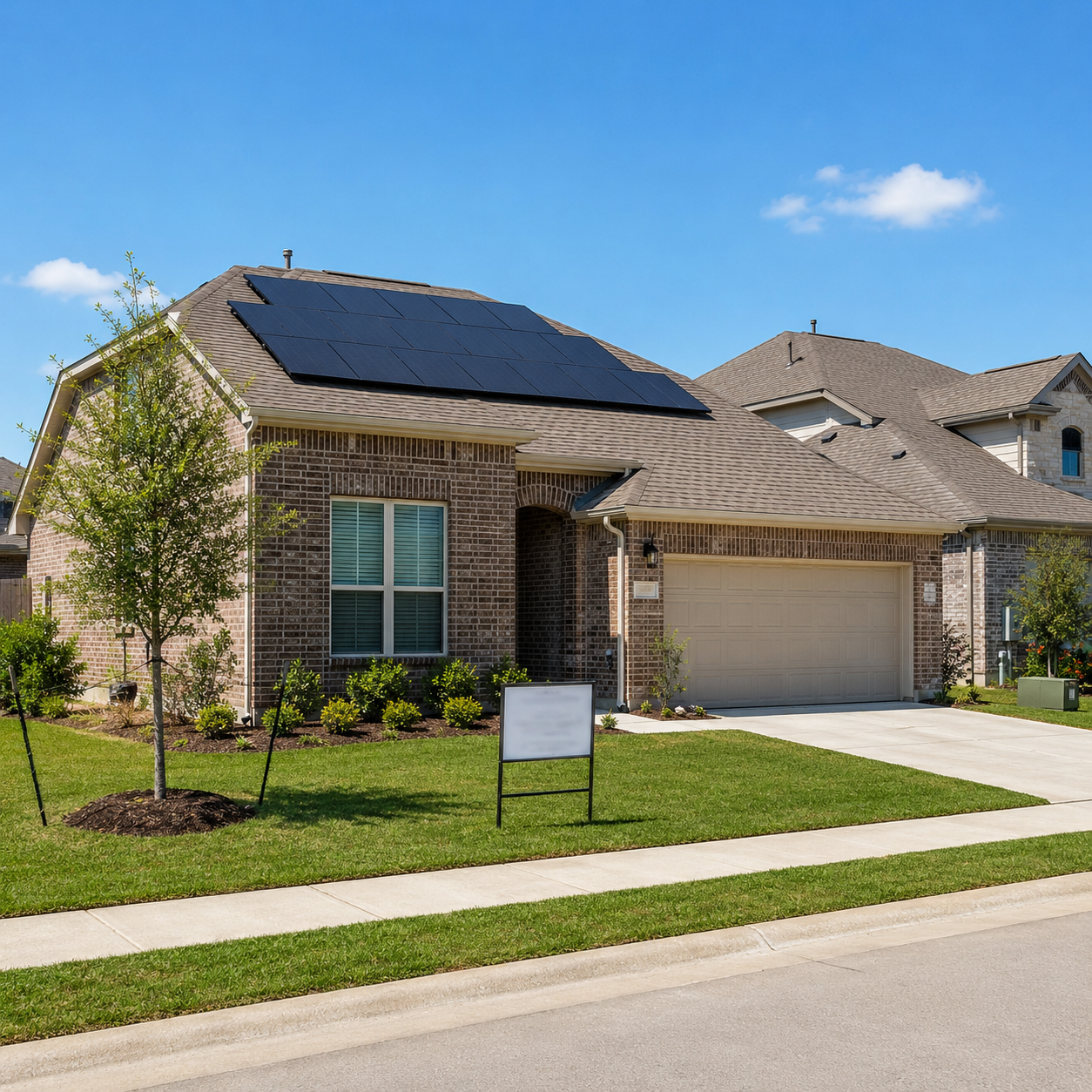
The Texas Solar Permit Process, Step by Step
Permits, utility interconnection, and inspections are where solar projects stall. Here is how the process actually runs in Texas and how long each step takes.
Read MoreReady to Find Out What a Whole-House System Would Cost You?
Good Faith Energy is the company I used for my own home. They are not a door-to-door operation. They will survey your home, run the numbers, and provide a quote based on the system you actually need.
My financing did not go through the kind of remote, investment-backed structure that inflated the first proposal. Good Faith connected us with a local credit union based in the San Antonio area, with another financing option available if that did not work.
Financing programs change, and Good Faith may offer different options today. Ask for the cash price, financed price, lender or financing partner, loan term, interest rate, and every dealer or financing fee before comparing proposals.
I may earn a commission if you request a quote through my link and later become a customer. I want to be clear about that. I also used Good Faith Energy for my own home before I ever considered recommending them to anyone else.
Get a Free Quote from Good Faith EnergyWant to Go Deeper?
Sean White has written widely used books on solar design, installation, and energy storage. If you want to understand how solar systems actually work before talking to an installer, his books are a credible place to start. They are written with industry professionals in mind but remain useful to homeowners who want more than a sales-level explanation.
Solar Photovoltaic Basics
A strong starting point for homeowners who want to understand what they are buying before signing anything.
View on AmazonSolar PV Engineering and Installation
Goes deeper into system design and installation. It is a good choice for readers who want to understand what a legitimate installation should look like.
View on AmazonEnergy Storage Basics
Covers battery systems, including the kind of whole-house backup setup described on this page. It is written for practitioners but remains accessible to serious homeowners.
View on AmazonAffiliate disclosure: This page contains affiliate links to Good Faith Energy and Amazon. If you request a quote through the Good Faith Energy link or purchase a book through one of the Amazon links, I may earn a commission at no additional cost to you. I hired Good Faith Energy for my own home installation and purchased or reviewed these books independently. All opinions are my own.