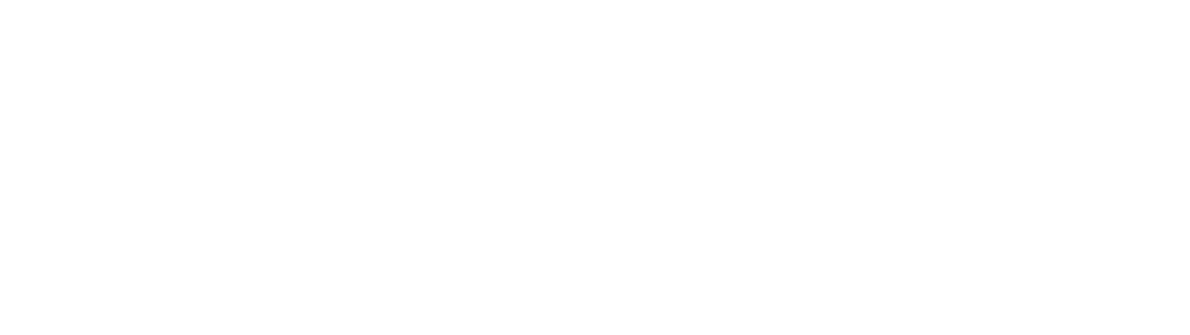
Texas weather and solar panels have a complicated relationship, and rooftop systems here face conditions that equipment in milder states never sees. Panels installed here may face large hail, Gulf Coast wind, windblown debris, heavy rain, and months of high operating temperatures. The equipment is built and tested for outdoor service, but the ratings have limits. Before you put tens of thousands of dollars of equipment on your roof, you should understand what those ratings actually tell you and what they do not.
Texas Weather and Solar Panels: What the Test Ratings Do and Do Not Cover
To look up documented hail, wind, hurricane, and other severe-weather events in your part of Texas, use NOAA’s Storm Events Database.
Texas can throw very different kinds of weather at the same solar array. North Texas and the Panhandle see severe hail. The Gulf Coast has hurricane winds, windblown debris, heavy rain, and flooding. Nearly the entire state deals with long periods of summer heat.
If you are putting $30,000 or more of electrical equipment on your roof, “the panels are weatherproof” is not a useful answer. You need to know which module was specified, how it was tested, how the mounting system was designed for your roof and location, and what your homeowners insurance will cover if the storm exceeds those ratings.
I work as an electrical designer on utility-scale PV and battery-storage projects in Texas. Residential systems are smaller, but the same basic lesson still applies: equipment ratings only mean something when the equipment is selected, installed, and used under the conditions behind those ratings.
Here is what I would look at before signing a residential solar contract in Texas.
Hail: The Texas Weather Risk Homeowners Ask About First
Modern solar modules use tempered front glass and must complete impact and durability testing as part of their certification process. A common IEC/UL 61215 hail test fires approximately 1-inch ice balls at the module at about 52 mph and strikes several vulnerable locations on the panel.
That is useful information, but it is not a promise that the panel will survive every Texas hailstorm. Certification testing uses controlled ice size, shape, speed, temperature, and impact locations. A real storm may produce larger hail, irregular stones, stronger impact energy, wind-driven impact angles, or repeated strikes in the same area.
Most solar modules have survived the majority of hail events they encounter. The risk changes when hail becomes unusually large. DOE identifies very large hail, greater than roughly 1¾ inches in diameter, as a point at which significant module damage has occurred.
Damage also is not always as simple as a panel exploding into loose glass. Tempered glass may crack while remaining bonded in place. Cells and electrical connections can develop damage that is not obvious from the ground. A damaged module may continue producing power while also requiring inspection, testing, or replacement.
If you live in an area with a strong hail history, call your homeowners insurance company before signing the solar contract. Ask whether the rooftop array is covered as part of the dwelling, whether wind and hail have a separate deductible, whether the added system value must be reported, and whether there are exclusions for cosmetic damage. Get the answer in writing.
Do Not Settle for “Hail Resistant” as an Answer
Ask for the exact manufacturer and model number of the proposed panel. Then ask for the datasheet and certification documents showing the hail test it completed. Some modules have been tested beyond the common baseline, including larger ice-ball sizes, but the stronger rating should be tied to that specific product rather than to a general sales claim.
I would also ask the installer to document the panel model, serial numbers, array layout, and completed installation with photographs. If the system is damaged years later, having a clean record of what was installed may make the insurance and replacement process much easier.
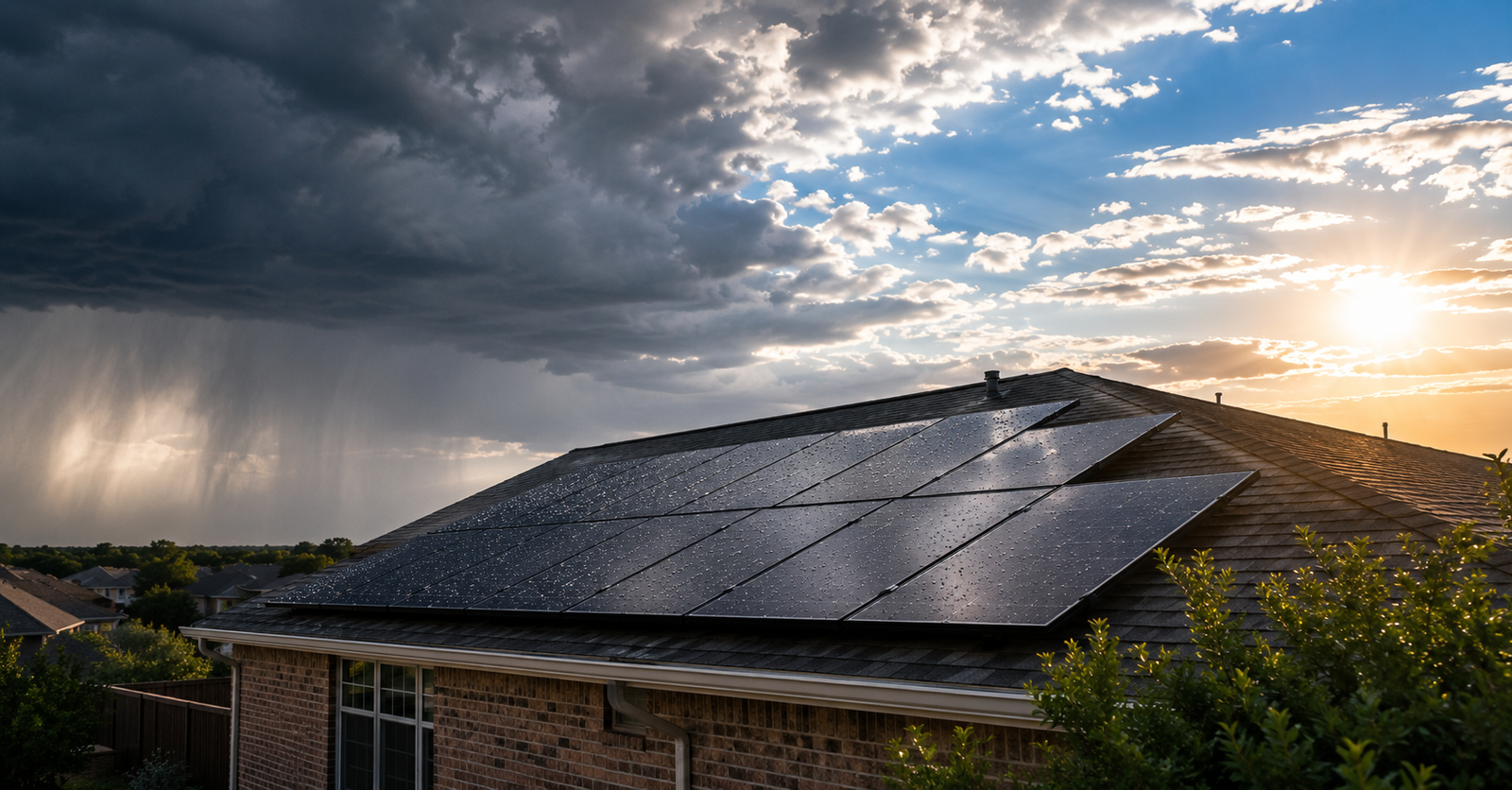
Standard hail testing does not guarantee survival in every storm. Very large hail, repeated impacts, and wind-driven debris can exceed the conditions used in a laboratory test.
Hurricanes and High Winds on the Texas Gulf Coast
On the Gulf Coast, the question is not simply whether a solar panel can “handle” a certain wind speed. The array, rails, clamps, attachments, roof covering, roof deck, framing, fasteners, and the house itself work together as one structural path.
Wind pressure is not distributed evenly across a roof. Loads change with the building height, roof shape, roof slope, exposure, location of the panels on the roof, distance from roof edges and corners, array height, attachment spacing, and local design-wind requirements. The edges and corners of a roof can experience much higher uplift than the more protected interior areas.
This is why a mounting-system datasheet showing a pressure rating does not translate into one universal hurricane category. That rating applies only when the product is installed using the tested or engineered configuration, including the specified rail spans, clamps, fasteners, attachment pattern, and allowable roof conditions.
Anchorage matters, but it is not the only concern. FEMA notes that rooftop equipment can fail because the anchorage is inadequate, the equipment itself lacks sufficient strength, or components have deteriorated or corroded. In a hurricane, windblown debris and damage to the underlying roof can also affect an array that was properly attached.
Ask the installer for the wind-design information used for your address and roof. The permit set should identify the mounting system, attachment type, attachment spacing, rail spans, roof framing assumptions, and applicable design criteria. Depending on the jurisdiction and project, the AHJ may require structural calculations, manufacturer engineering tables, or a licensed engineer’s review.
What the Permit and Inspection Can Actually Do
A permit review can confirm that the submitted design follows the locally adopted code and the mounting manufacturer’s requirements. An inspection can confirm visible aspects of the installation and whether the completed work generally matches the approved plans.
Neither process is magic. An inspector cannot see every concealed attachment after the array is complete, and a stamped plan does not correct poor workmanship by itself. That is why the installer’s quality-control process, attachment documentation, photographs, and willingness to explain the design matter.
Remember That Hurricanes Bring More Than Wind
The Saffir-Simpson scale categorizes hurricanes by sustained wind speed. It does not account for storm surge, inland flooding, tornadoes, flying debris, roof age, or how long destructive winds continue at one location. A rooftop array may survive the wind itself and still be affected by damage elsewhere on the house.
Extreme Heat: Why a Hot Panel Produces Less Power
Solar panels need sunlight, but the electrical cells inside them produce less power as their temperature rises. That matters in Texas because the cells can become much hotter than the surrounding air when strong sunlight is hitting a dark module over a hot roof.
The module datasheet should list a temperature coefficient for maximum power, often written as the temperature coefficient of Pmax. It tells you approximately how much the module’s power changes for every degree Celsius that the cell temperature moves away from the 25°C, or 77°F, standard test condition.
For example, assume a panel has a Pmax temperature coefficient of -0.35 percent per degree Celsius. If the cell temperature reaches 65°C, it is 40°C above the standard test condition. Under the same irradiance assumptions, the temperature portion of the calculation would reduce the panel’s rated maximum power by about 14 percent.
A 400-watt nameplate panel in that simplified example would have a temperature-adjusted maximum power of about 344 watts. That does not mean it will sit at exactly 344 watts all afternoon. Actual production also depends on sunlight intensity, panel angle, clouds, shading, soiling, wiring losses, inverter behavior, and the operating conditions at that moment.
This immediate heat-related reduction is called temperature derating. It should not be confused with permanent degradation, which is the gradual loss of output as equipment ages.
A reputable production model should account for local weather, cell temperature, solar irradiance, roof orientation, shading, system losses, and the exact equipment being proposed. Ask for the estimated monthly production and the assumptions behind it. If someone claims the panels do not lose power as they get hotter, that person either does not understand the equipment or is hoping you will not ask another question.

The dominant risk changes across Texas. Hail is a major concern in northern and central portions of the state, while the Gulf Coast adds hurricane wind, debris, heavy rain, and flooding. High module temperatures affect systems statewide.
What to Check Before You Commit to a Texas Solar Installation
The risks are manageable, but they need to be addressed before the contract is signed and before the equipment is attached to the roof.
Call your homeowners insurance company
Ask whether an attached rooftop array is covered under the dwelling portion of the policy, whether the system value needs to be reported, whether wind or hail carries a separate deductible, and whether cosmetic damage is excluded. Ground-mounted systems and solar carports may be treated differently from equipment attached to the house.
Also ask how the company handles removal and reinstallation if the roof must be replaced after a covered loss. The panels may be unharmed while the roof beneath them still needs work.
Ask for the exact panel and mounting-system documents
Do not accept a proposal that says only “Tier 1 panel” or “hurricane-rated racking.” Ask for the manufacturer, model number, module datasheet, certification information, mounting-system name, attachment type, and engineering documentation used for your roof.
Review the wind design for your address
The plan set should show how the array is attached and what assumptions were used for the roof structure and local design conditions. In higher-wind areas, ask whether the attachment spacing changes near roof edges and corners and whether the existing roof and framing were evaluated for the added loads.
Ask for a temperature-adjusted production estimate
Request the estimated annual and monthly energy production along with the major modeling assumptions. The software should account for local weather and temperature, but do not judge the model by expecting every summer month to produce less than every spring month. Longer days and stronger sunlight can offset part of the heat penalty.
Understand the difference between warranties and insurance
Module warranties generally address manufacturing defects and long-term power performance under their written terms. They normally are not a replacement for homeowners insurance covering storm damage. Ask who handles the claim, removal, shipping, labor, roof repair, and reinstallation if weather damages the system.
Document the completed installation
Keep the contract, permit set, approved revisions, module and inverter serial numbers, equipment datasheets, inspection records, photographs, warranty documents, and final utility approval. You do not want to begin reconstructing that file after a hailstorm or hurricane.
Want a Texas Solar Design You Can Actually Ask Questions About?
Good Faith Energy installed the system at my own home. I worked with their team to expand the initial proposal into the 10.53 kW array and two-Powerwall system we ultimately purchased. What mattered to me was having access to people who could discuss the design rather than handing me a sales sheet and expecting me to stop asking questions.
No installer can make rooftop equipment indestructible or guarantee what a future storm will do. They should be able to identify the exact modules and mounting system, explain the design assumptions, provide the permit documents, and tell you what still belongs in a conversation with your insurance company.
I used Good Faith Energy for my own home before joining its referral program. If you request a quote through my link and later complete a qualifying installation, I may receive a commission.
Request a Quote from Good Faith Energy


Affiliate disclosure: This page contains a referral link to Good Faith Energy. If you request a quote through that link and later complete a qualifying installation, I may receive a commission. I used Good Faith Energy for my own home before joining its referral program. All opinions are my own. Solar-module certifications, mounting requirements, building codes, insurance terms, warranties, and severe-weather risks vary by product and location. Verify the current equipment documents, approved permit design, and insurance coverage for your own property before purchasing a system.