
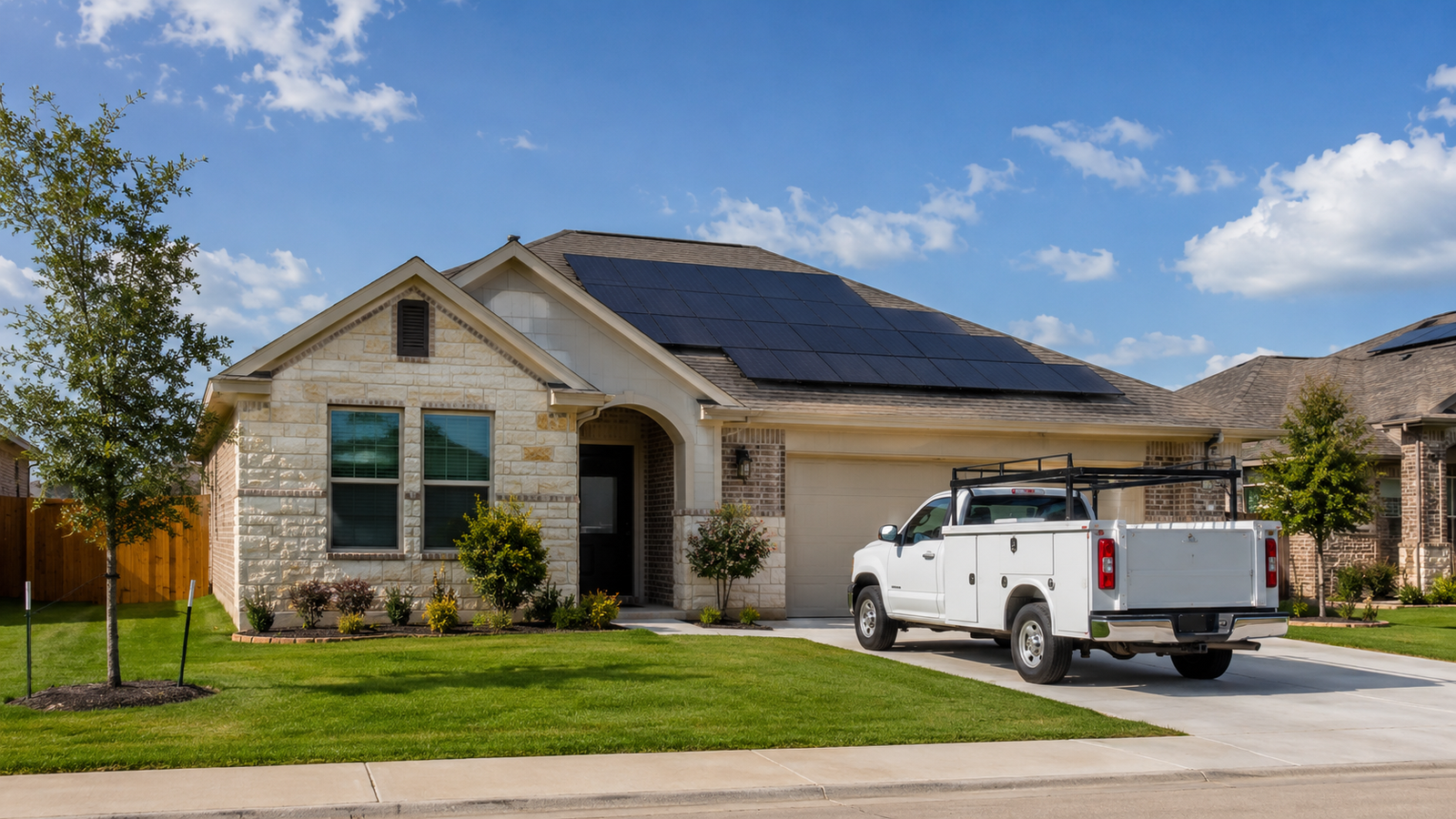
Are you looking for a real Good Faith Energy review? This page covers my complete experience hiring them for a 10.53 kW solar array and dual Tesla Powerwall 3 installation at my home in Magnolia, Texas.
Good Faith Energy Review: Why I Chose Them
Finding a solar installer in Texas that I was willing to trust with my house and my money was not easy.
The residential solar industry has plenty of aggressive sales operations, layered financing, inflated proposals, subcontracted labor, and companies that may not still be around when the system eventually needs service.
I also approached the project differently from the average homeowner. I work as an electrical designer on utility-scale PV and battery-storage projects. I knew enough to examine the equipment, system layout, battery capacity, electrical documents, and pricing instead of judging the proposal by the monthly payment alone.
I ultimately chose Good Faith Energy to install a 10.53 kW solar array and two Tesla Powerwall 3 batteries at my home in Magnolia, Texas.
This review covers what I actually experienced, including the proposal, the wait before installation, the workmanship, the interconnection process, activation, and how the system has performed since then.
Why I Chose Good Faith Energy
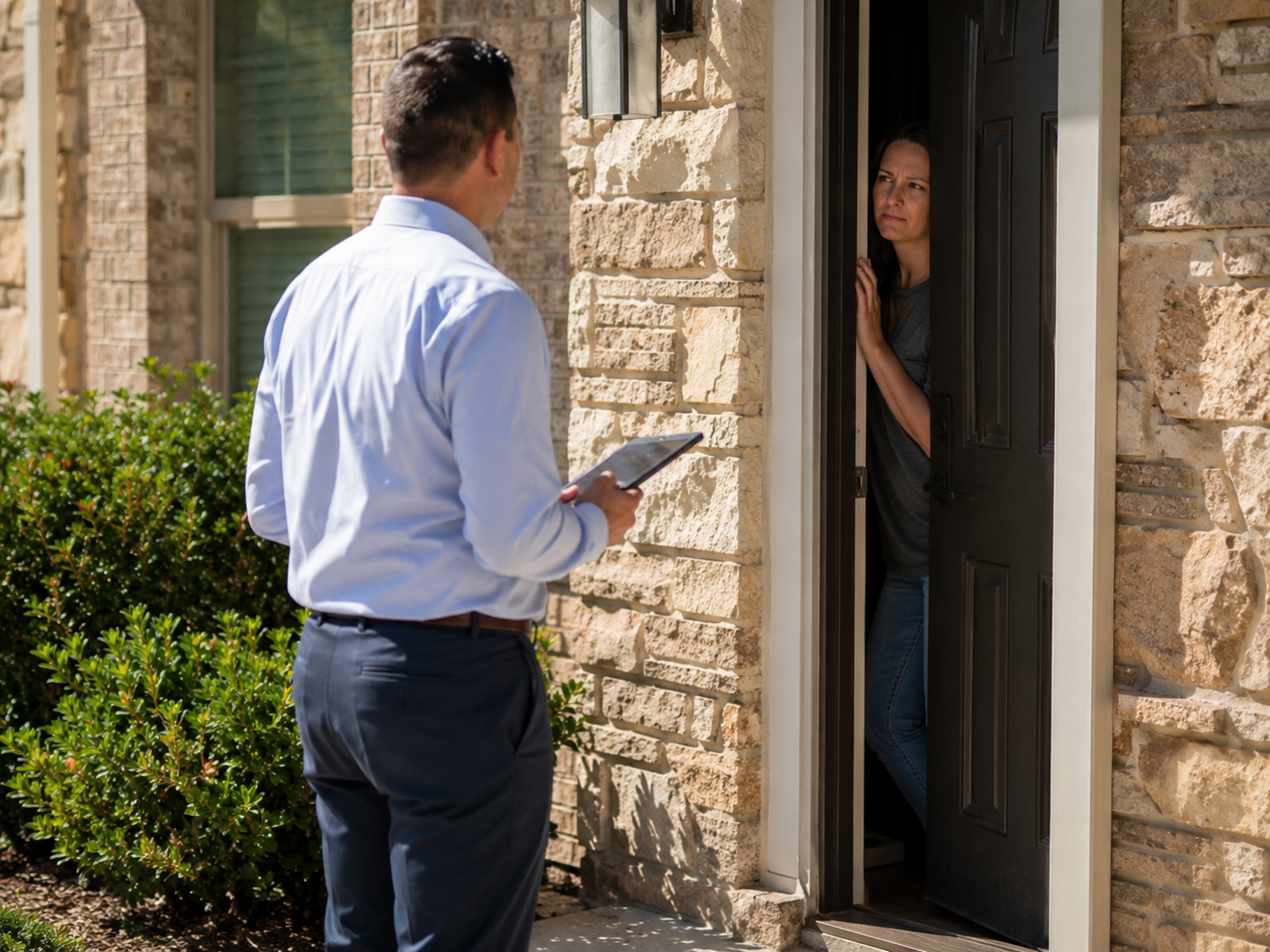
My search started with a door-to-door proposal that exceeded $70,000.
The presentation was polished, but the numbers did not make sense. The equipment and proposed system did not justify the price, and I was not convinced that the configuration would deliver what the salesperson was implying.
Because I work with PV and BESS design, I was able to look past the sales language and examine what they were actually offering.
I then requested a proposal from Good Faith Energy.
The difference was immediate.
Their proposal clearly identified the equipment, system size, battery configuration, scope of work, and project price. They were not asking me to make the decision based on “zero down” language or a carefully selected monthly payment.
My signed contract was for $44,395. Because my system was installed while the federal residential clean-energy credit was still available, 30 percent of that contract price was approximately $13,319, resulting in an estimated effective cost of $31,077.
Note on Tax Credits: That tax credit was part of my calculation. Homeowners requesting proposals today should not assume the same federal credit is still available. As of this writing, the federal residential clean-energy credit is not available for systems placed in service after December 31, 2025.
Good Faith also understood what I wanted from the batteries. I was not looking for a small critical-load arrangement that kept only a refrigerator and a few lights running. I wanted the house connected to the backup system, including the air conditioner, with two Powerwall 3 units providing the available battery output and 27 kWh of nominal storage.
That does not mean the house can consume unlimited power during an outage. It means the system was designed for whole-home backup rather than as a small, essential-circuits-only system.
I chose Good Faith because they treated it as a real electrical and system-design project, not just another sale.
One Thing Worth Knowing Before You Sign
Good Faith Energy is based in the Dallas area, while I live in the Houston area.
They serve Houston, so the distance did not prevent them from selling, installing, or supporting my system. It does, however, affect some of the customer extras.
Good Faith hosts appreciation events, giveaways, and gatherings near its Dallas location. Those are a nice touch for customers who live nearby. From Magnolia, attending one means committing to a drive of more than four hours each way.
That is not a complaint about the installation or service. It is simply something customers outside the Dallas area should know if those events are part of the appeal.
The second thing to understand is that the project did not move from contract signing to installation overnight.
Good Faith was busy when we signed. Equipment had to be ordered, the project had to move through design and scheduling, and we waited a couple of months before installation began.
I expected a real lead time. Solar and battery projects involve more than putting equipment on a truck and sending a crew the following morning.
The important part is that Good Faith did not pretend the system would be installed immediately. We were given a schedule, and the project progressed within the general timeframe I expected.
Anyone signing a solar contract should ask for the expected timeline in writing and understand which stages depend on the installer, permitting authority, HOA, utility, equipment availability, and inspection process.
Design, Permitting, and Interconnection
Residential solar projects can stall when applications, drawings, equipment information, inspections, or utility submissions are incomplete.
Good Faith Energy handled the design package and coordinated the permitting and interconnection work for my project.
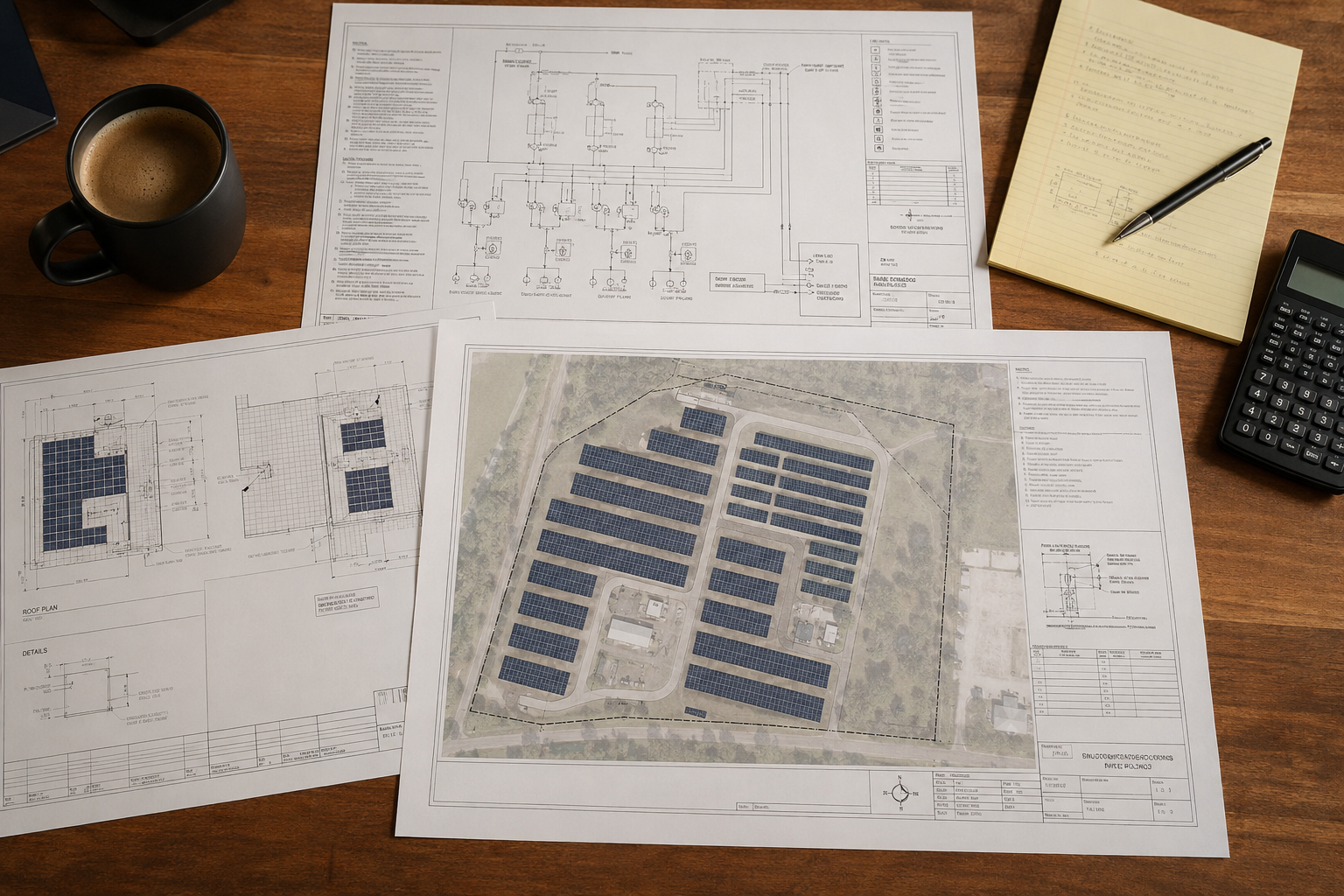
Good Faith Energy handled the complete design and permitting package.
Because I design PV and battery-storage systems professionally, I reviewed the electrical documents more closely than most homeowners probably would. I looked at the system configuration, single-line information, equipment placement, and how the batteries were being integrated with the house.
The documents made sense, and I did not find the kind of obvious mismatch between the sales promise and the technical design that I had been watching for.
Good Faith then moved the project through the required local and utility processes.
That part matters because installing the equipment is not the same as receiving permission to operate it in parallel with the utility system. The local authority and CenterPoint each have a role in the process, and incomplete paperwork can delay activation even after the physical work is finished.
My project moved through each stage without a major paperwork failure or redesign.
Installation Day
When installation began, the crew arrived prepared and worked like an organized construction team.
They installed 27 Meyer Burger 390-watt panels, creating a 10.53 kW DC array, along with two Tesla Powerwall 3 units.
This was the stage I was most interested in watching.
A sales proposal can look perfect while the physical installation ends up sloppy. Since I review construction documents and electrical layouts every day, I notice conduit routing, equipment spacing, supports, transitions, penetrations, and whether the field installation looks planned or improvised.
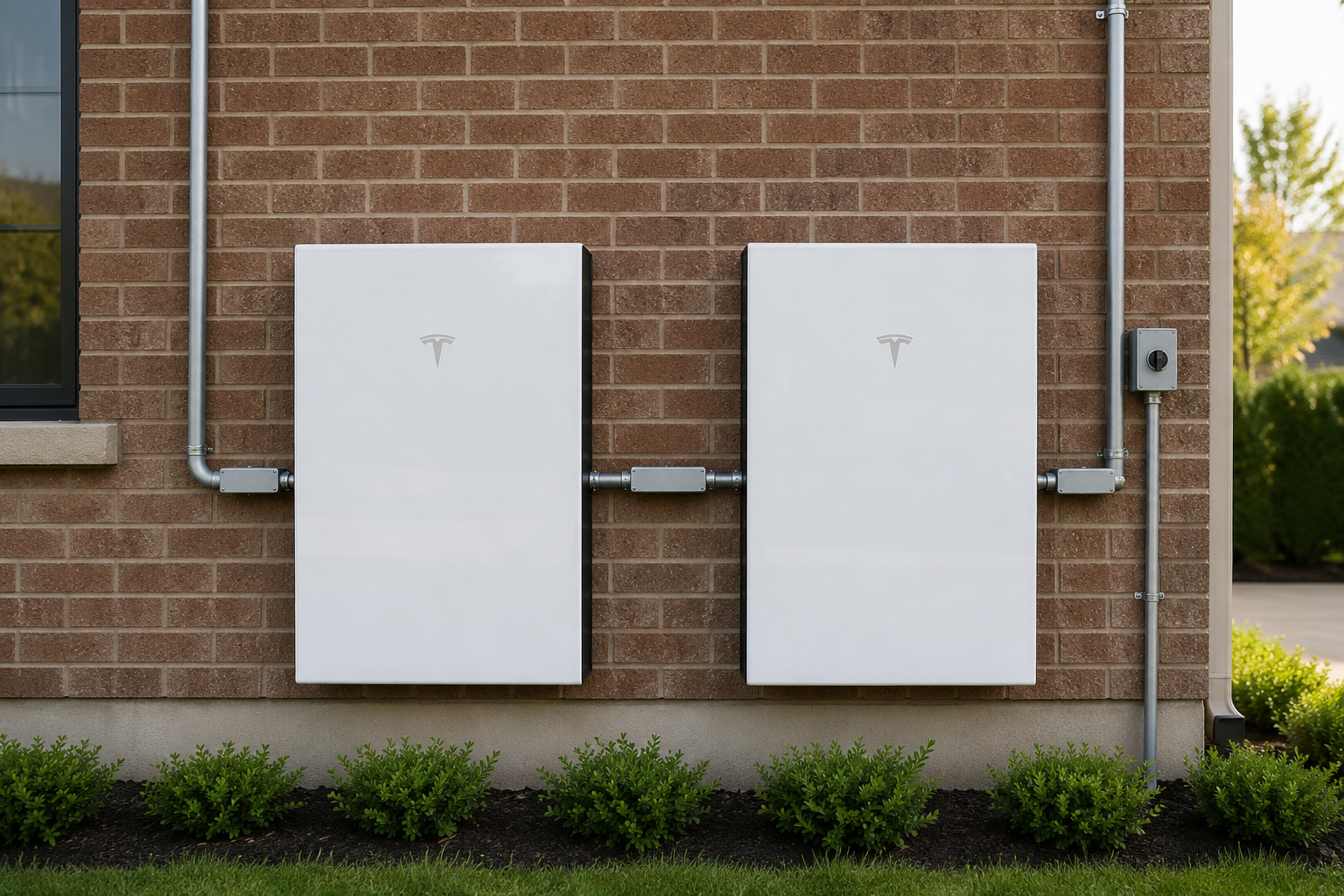
The physical installation was clean, organized, and properly secured.
The conduit work at my house was clean. The wiring and equipment were secured properly, and the crew did not leave the property looking like a construction site after they finished.
The installation also matched the layout I had approved. I did not discover a crew making major placement decisions on the fly because the sales and construction teams had failed to communicate.
The work was completed within the installation window Good Faith had given me, and the installed system passed the required inspection process without a major corrective issue.
Given the nature of rooftop work, we set out a cooler with cold water bottles for the crew. It was not required, just a personal thank-you to the guys poking holes in our roof.
The Wait for Permission to Operate
The most frustrating stage came after the equipment was physically installed.
The panels and Powerwalls were on the house, but the system still had to complete the utility interconnection and permission-to-operate process.
People often refer to this loosely as waiting on ERCOT, but that is not the most accurate description of what happens with a residential system like mine. CenterPoint is the transmission and distribution utility serving my property, and it had to complete its part of the interconnection process before the system could operate normally in parallel with the grid.
Good Faith left the system in the required pre-activation state while that process was completed.
From the homeowner’s side, it feels ridiculous to look at a finished solar and battery system that you cannot yet use. But the installer cannot simply ignore the interconnection requirements and energize an exporting system whenever the homeowner becomes impatient.
Once the required approval was in place, Good Faith completed the activation remotely. I did not have to wait for another crew to drive from Dallas to Magnolia merely to turn the system on.
The solar equipment and Powerwalls initialized, and the system entered normal operation.
System Performance and Support
My system has been operating since late 2024.
So far, it has performed in line with what I expected from the design.
Before solar, my highest summer utility bill in the comparison I reviewed was $376.10. After solar, my highest post-installation summer bill in that same comparison was $101.63.
For several months, my David Energy account produced credits instead of an amount due.
Those results do not come from the panels alone. The system, household consumption, battery programming, exported energy, retail electric plan, weather, and time of year all affect the final bill.
The batteries have also operated as intended during grid interruptions. When the utility power goes out, the backup system isolates the house from the grid and keeps the home energized.
That does not create infinite runtime. Central air conditioning and other heavy loads can consume stored energy quickly, especially at night or during poor solar weather. But the system gives us the ability to keep the house operating and manage our available energy rather than losing everything the moment the grid fails.
Just as importantly, Good Faith did not sell me a single battery while casually implying that the battery count alone proved it could start the central air conditioner and carry the rest of the house. The system was configured around the actual backup arrangement I requested.
I have not needed a major repair, so I cannot pretend to review their response to a serious equipment failure. I can only report what has happened so far: the system has operated without a major issue, and I have not been abandoned after installation.
My Final Verdict
Good Faith Energy delivered the system I contracted for at the price stated in my agreement.
The proposal was substantially more reasonable than the first door-to-door offer I received. The design made technical sense, the installation was organized, the conduit work was clean, and the system has performed the way I expected it to.
The process was not instantaneous. We waited before installation, then waited again between physical completion and normal operation. Customers in the Houston area should also know that most company events are held near Good Faith Energy’s Dallas-area office.
Those points belong in an honest Good Faith Energy review, but none of them would stop me from choosing the company again.
I was satisfied enough with the completed project that I joined Good Faith Energy’s referral program after the system was installed. That referral relationship did not exist when I selected them for my house.
Anyone considering solar should still collect multiple proposals, compare the cash and financed prices, examine the actual equipment, and make sure the design supports the loads they expect the batteries to carry.
Good Faith Energy is one of the companies I would include in that comparison.
Want to understand the system better? Sean White has written some of the clearest books available on residential solar design and installation. If you want to understand how systems are sized, installed, and evaluated before speaking with an installer, his books are worth a look. You can browse them on his Amazon author page.
Referral disclosure: I may earn a commission if you request a quote through my link and later become a customer. I hired Good Faith Energy for my own house before entering the referral relationship.
Request a Free Quote from Good Faith EnergyThis page is part of the Texas Home Solar series. Start with the overview: Texas Home Solar: One Electrical Designer’s Honest Take.
More From the Solar Section

Disclaimer: I am an electrical designer, not a licensed financial advisor, tax professional, or attorney. Nothing on this page should be considered financial, tax, or legal advice. Solar system performance, pricing, and incentive eligibility vary by location, equipment, installer, and individual tax situation. Consult qualified professionals before making a purchasing or financial decision.