Most makers spend a lot of time finding the right leather and not nearly enough time on what goes with it. The thread you choose, the punch you reach for, the dye you trust — these are the things that separate work that looks handmade from work that looks hand-crafted. This is a short list of the leathercraft tools and supplies I actually use. Every product here has earned a permanent spot on my bench. No filler, no guesswork.
As an Amazon Associate I earn from qualifying purchases. This does not change the price you pay.
Thread and Stitching
One of the biggest problems leather makers run into early is thread that fights them. Over-waxed thread builds up on finer work and leaves a gummy, raised stitch line that looks wrong and wears worse. I spent time early on unwinding thick thread, pulling out two or three strands, re-twisting and re-waxing them just to get the right weight for detail work. It worked, but it was too much labor for production. These two are what I landed on. Both thread onto the needle cleanly, both hold up to real wear, and both come in enough colors that you can match any project without compromise.
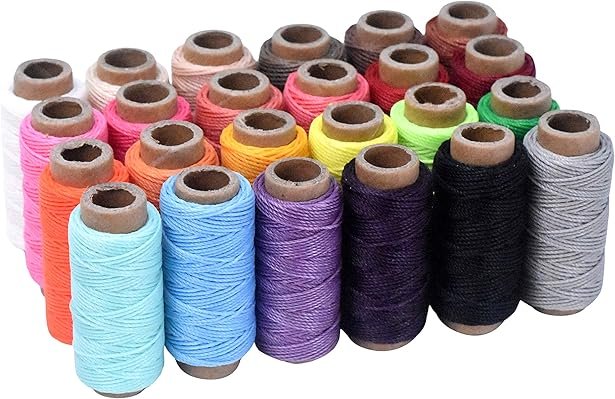
Mandala Crafts Waxed Thread Storefront
Waxed Nylon | Wide Color Selection | Multiple Weights Available
If you need color options, Mandala is where you go. The storefront carries a range of weights and a color selection that covers everything from natural tan to deep jewel tones. The wax coating is right — not so heavy it gums up your work, not so light it frays under tension. This is the thread I reach for when a customer asks for something specific.
Shop on Amazon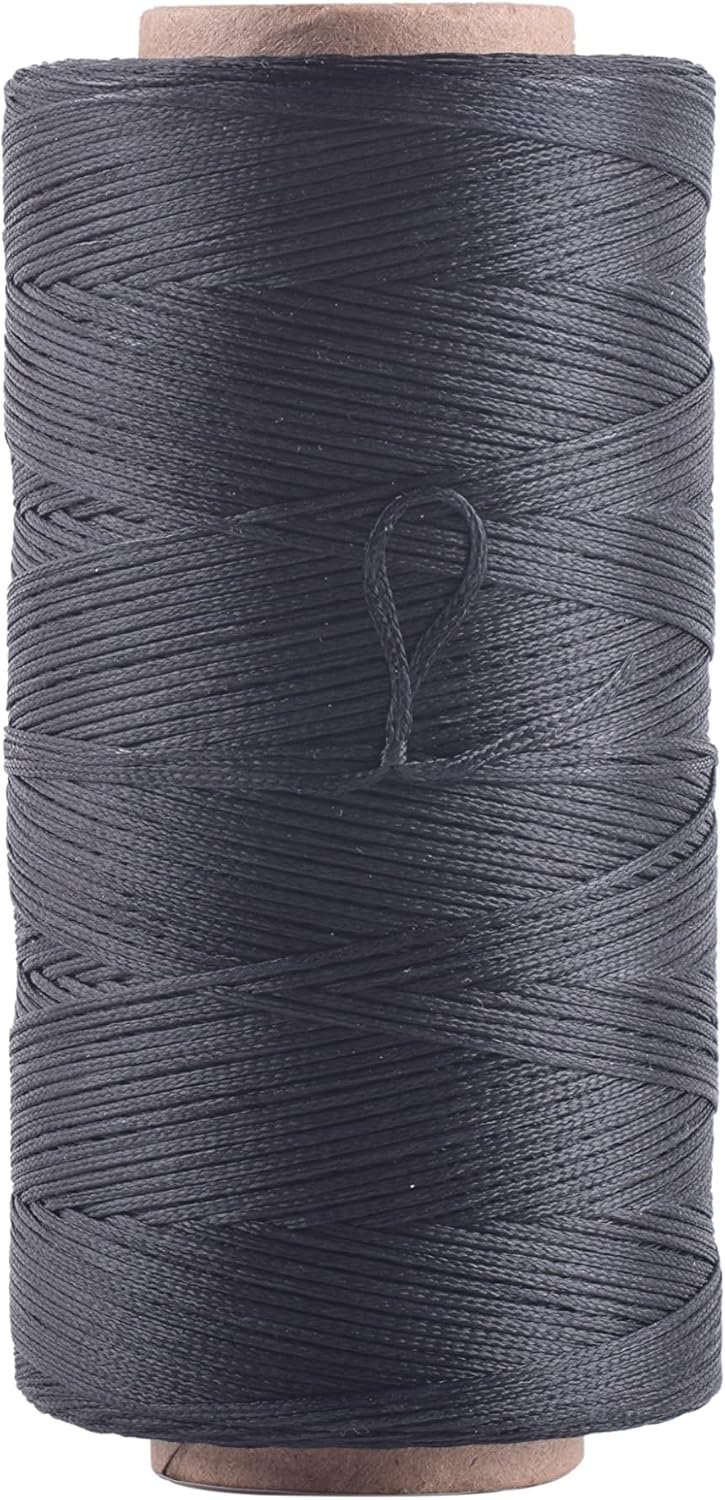
KONMAY Waxed Nylon Thread 0.8mm
0.8mm | Consistent Tension | Top Pick for Fine Work
KONMAY is always reliable. The 0.8mm weight is the one I use most for wallets, card holders, and anything where the stitch line needs to look intentional rather than structural. It holds tension evenly, does not stretch under saddle stitching, and the wax is consistent spool to spool. When I am running back-to-back orders and I need thread that just works, this is it.
Shop on AmazonAs an Amazon Associate I earn from qualifying purchases.
Tools and Punches
Good tools do not get in your way. These three show up on my bench regardless of what I am building — a punch that makes clean holes, needles that do not fight the leather, and a positioning tool that changes how you work on large or complex pieces.
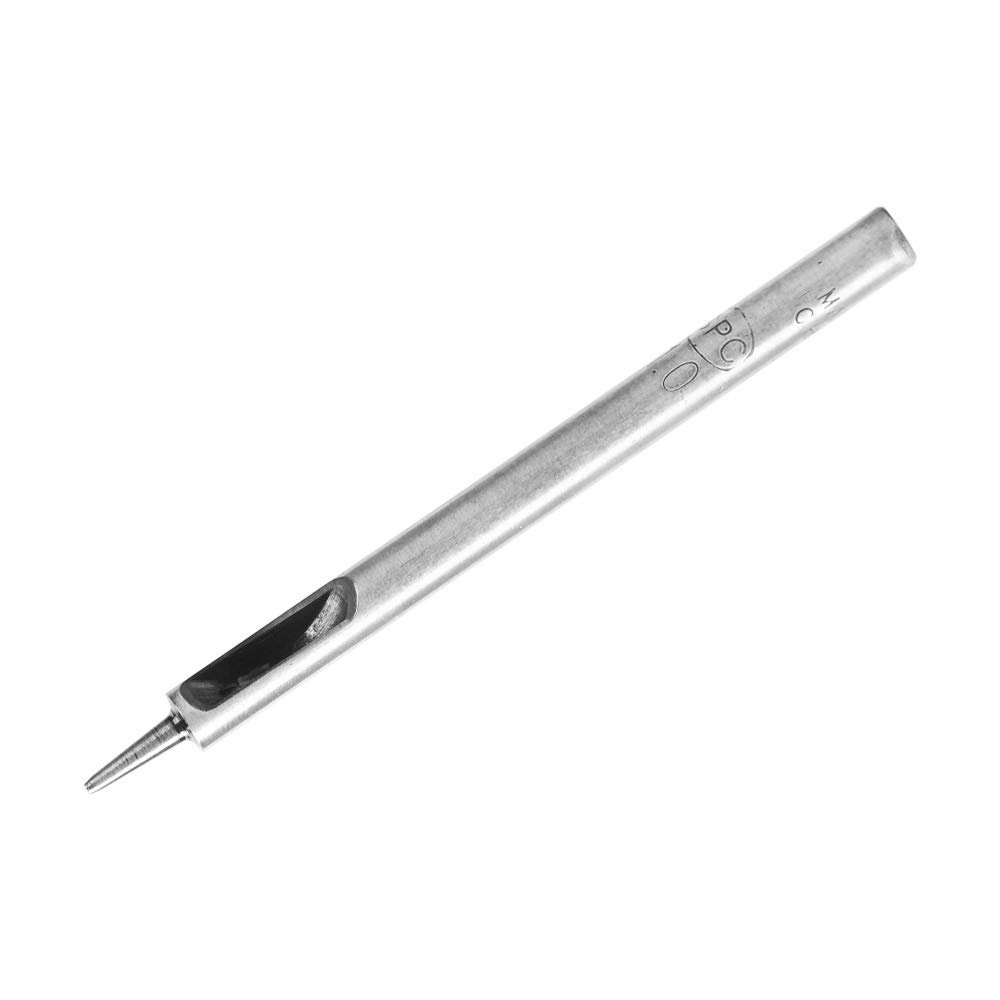
WUTA 1mm Single Hole Punch
1mm Tip | Daily Driver | Works with Fine Thread
Most patterns call for a 1.5mm punch and the holes look too big. Sizing down to 1mm gives you a cleaner, tighter stitch line that suits finer work without looking like you are building a saddle. Keep a tin of saddle soap nearby — lube the tip every 7 to 10 holes and it stays clean. If you forget and it clogs, drive it hard into a piece of oiled veg tan and it will push the clog out. I keep spares on hand for back-to-back order days. Worth every penny.
Shop on Amazon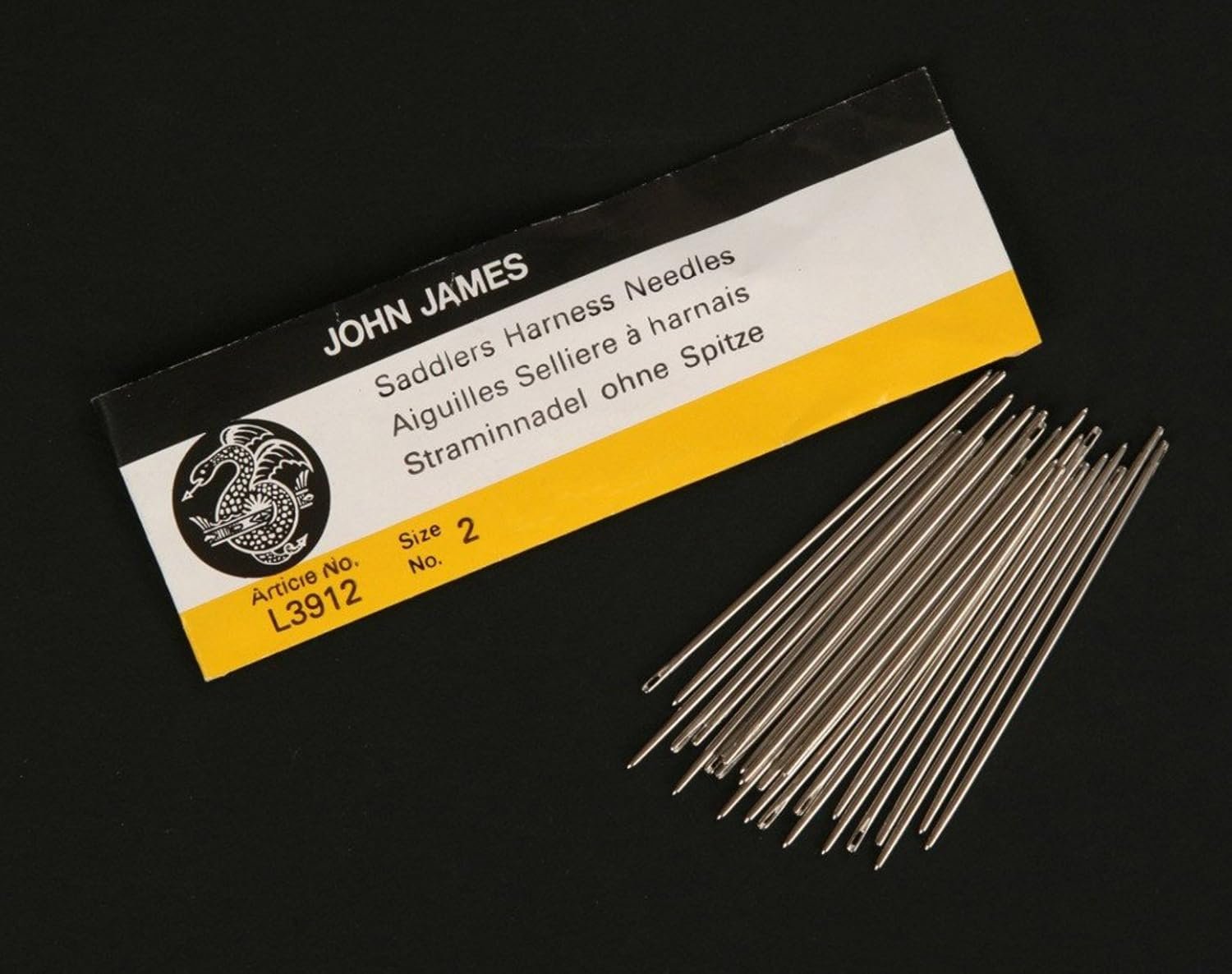
John James Harness Needles 1/0
Blunt Tip | Industry Standard | Multiple Sizes Available
These do not need much of an introduction. John James harness needles are the standard on every leather bench worth working at. I prefer smaller sizes because I punch smaller holes, but get a few sizes and see what your hands like. Different leathers and different projects call for different needles. Store them in an old orange pill bottle with a small magnet dropped in — it keeps strays from escaping when the bottle tips over, and it will tip over.
Shop on Amazon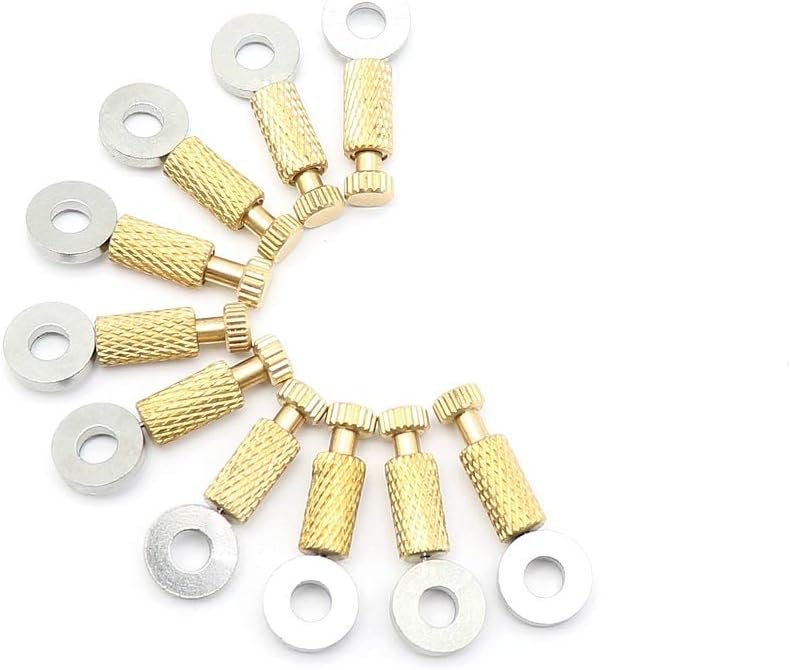
Position Located Needles
Precision Stitching | Large Panel Work | Game Changer
A stitching pony works fine for small pieces. For a large backpack, a rifle case, or anything where you are working a zipper in or stitching around a corner, these change how you work. New ones can be stiff — twist and work them before you use them. You want a firm hold, not a loose one. Once they are broken in, they hold panels exactly where you need them and free both hands to stitch. This is one of those tools you wonder how you worked without.
Shop on AmazonAs an Amazon Associate I earn from qualifying purchases.
Finish and Dye
A well-cut, well-stitched piece can still look amateur if the dye is uneven or the edges are rough. The finish work is where projects win or lose. These two products are what I use to make sure that does not happen. The dye soaks in clean and the burnishing compound closes the grain and the edges without a fight.
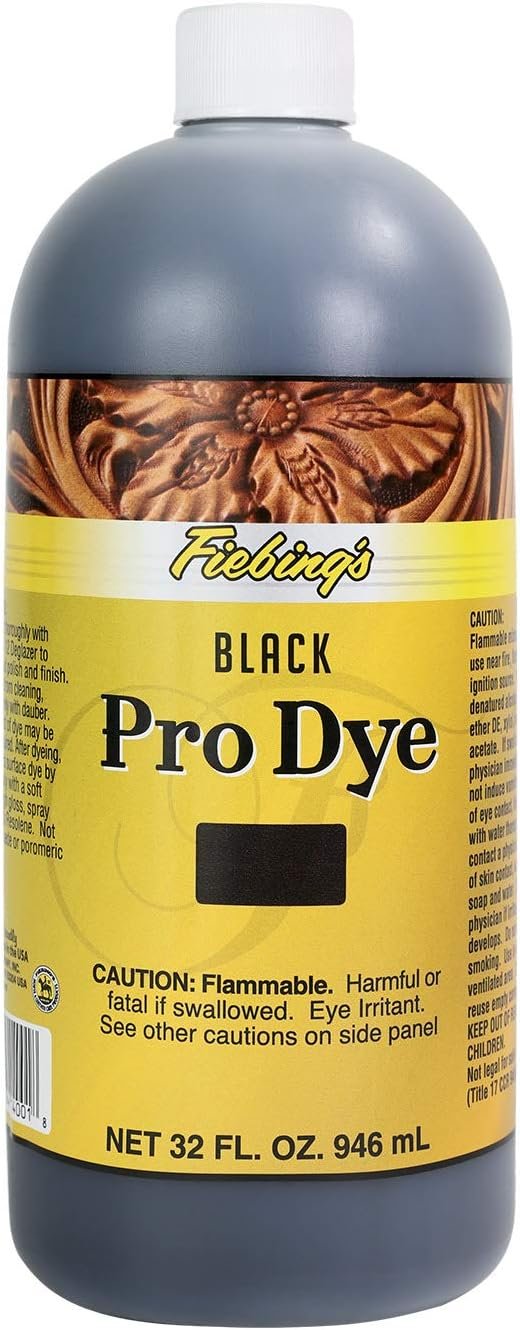
Fiebing’s Pro Oil Dye
Professional Grade | Deep Penetration | Multiple Colors
Water-based dyes are not bad. Pro dye is better. Case your leather first — a light, even dampness — then apply the dye. Whether you use strokes or circular motions depends on your project, but the moist leather makes a real difference in how evenly the dye soaks in. Some makers load it into an airbrush for large panels and it lays down beautifully that way too. The depth of color you get from Pro Dye on well-cased veg tan is hard to match any other way.
Shop on Amazon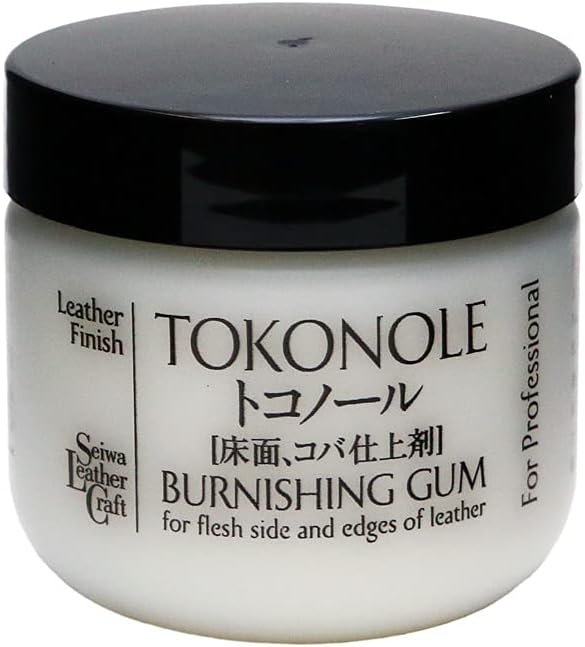
Seiwa Tokonole Burnishing Gum
Flesh Side and Edges | Now Available in Colors | One and Done
I used tragacanth and beeswax for years. Old habits are comfortable. This is better. Tokonole works on the flesh side and the edges, it burnishes clean, and for most projects it is the only finishing compound you need. On pieces that will see heavy weather and hard use I still follow up with beeswax, but that is maybe 20 percent of what I build. Everything else gets Tokonole and it is done. It now comes in colors, which opens up edge finishing as a design choice rather than just a functional step.
Shop on AmazonAs an Amazon Associate I earn from qualifying purchases.
Recommended Reading
There is no substitute for learning from people who spent their lives doing this work. These two belong in every leather maker’s library, whether you are just starting out or have been at it for years.
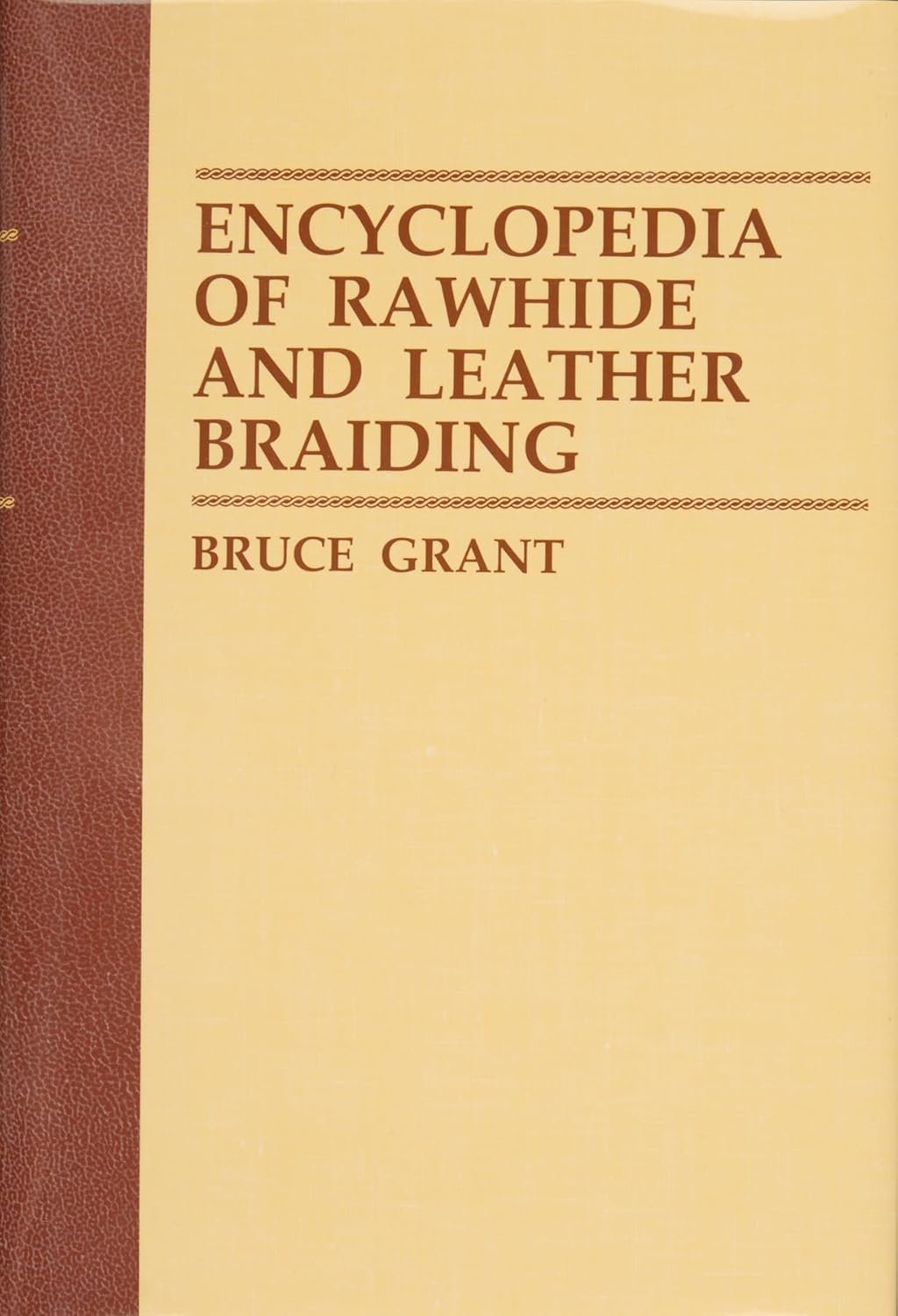
Encyclopedia of Rawhide and Leather Braiding
By Bruce Grant | Surface Applique, Edge Braiding, Knot Work
If you want your work to stand out, focus on the finish. Handmade braid work adds beauty and value to any piece — surface appliques, edge braiding, matching accessories. I spent hours with boot lace practicing ring knots before I ever put them on a project. That practice time paid off every time a customer asked what made the piece special. This book is where that skill comes from. It is dense, it is thorough, and it is worth every page.
Shop on Amazon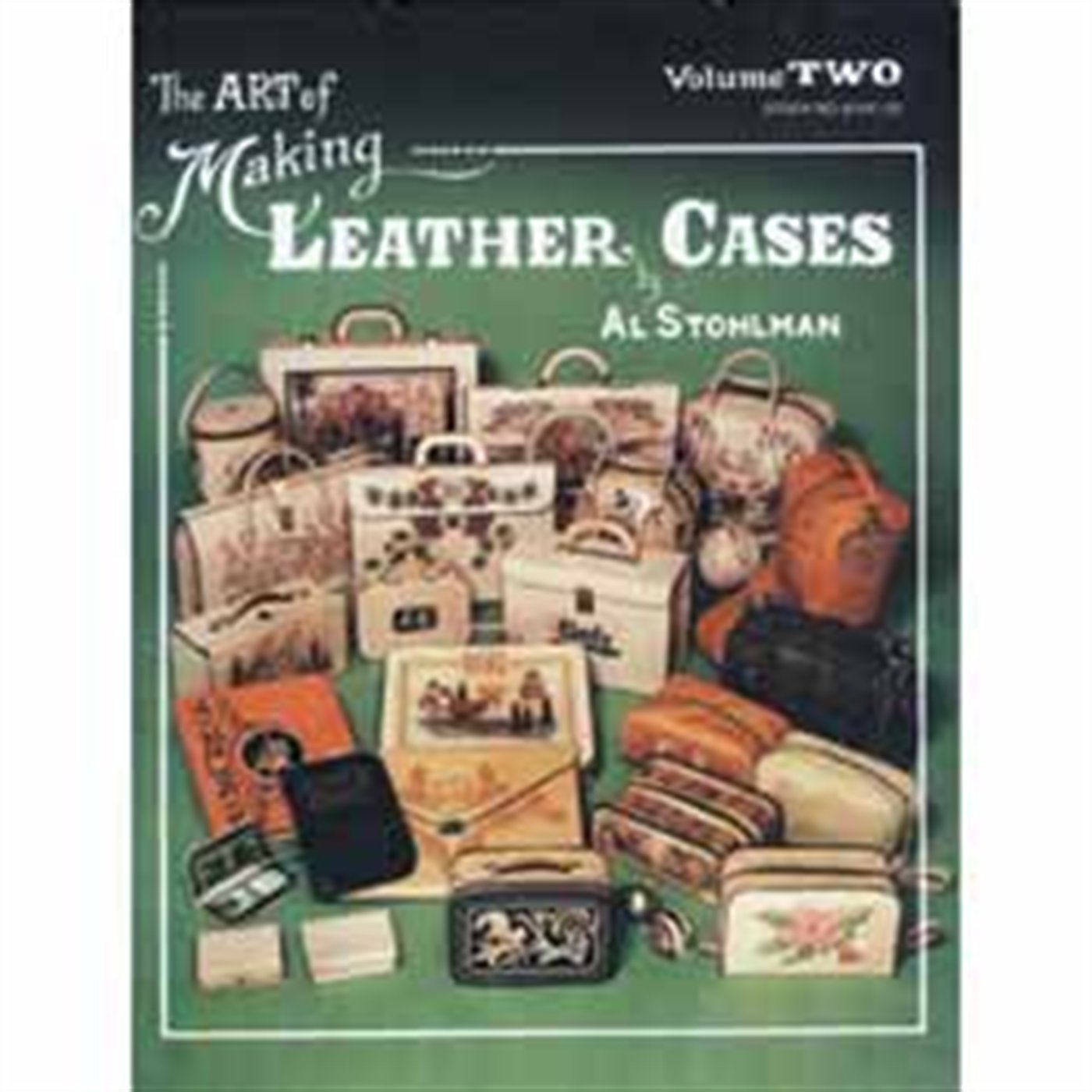
Al Stohlman — Complete Book Collection
Tooling, Belts, Cases, Construction | The Standard Reference
Al Stohlman set a standard for leatherwork that is still the measuring stick today. If you are learning and want to build real projects — not just practice pieces — his books are where you start. He teaches you why a handle built correctly will outlast a name-brand bag by decades, how support structures work, and when to stop so the piece looks its best. The craftsmanship he documents is the kind that gets passed down. Start here and you will not have to unlearn bad habits later.
Shop on AmazonAs an Amazon Associate I earn from qualifying purchases. Prices and availability are subject to change.
Have a Question or Want Your Product Listed Here?
This list is built from what I actually use. If you are looking for something specific and do not see it here, reach out and ask. I am happy to point you in the right direction or add it to the list if it earns a spot.
- Reader questions: if you have a question about a tool, supply, or technique, send it. If I know the answer, I will give it to you straight.
- Product submissions: if you make or sell leathercraft supplies and want to be considered for this page, contact me. Sponsored placements are available and will always be clearly labeled.