The YouTube Professional Series III: Digital Products Channels
If you have been searching for the best digital products YouTube channels, you are in the right place. The digital products space is full of noise — channels that promise passive income overnight, exaggerate results, and teach strategies that stopped working years ago. But a small number of digital products YouTube channels cut through that noise and teach what actually works.
Building real income from digital products requires the right platform, the right product type, and a teacher who has actually done it. The four creators reviewed here each represent a distinct path: Canva-based printables on Etsy, financial independence through digital business systems, passive income through Etsy and digital downloads, and Amazon KDP self-publishing. Each one is reviewed for teaching quality, honesty, and real-world value.
Use the quiz at the end to find out which digital products YouTube channel matches your goals and skill level.
Table of Contents
- 1. Sandra Di — The Canva and Printables Expert
- 2. Odetta Rockhead-Kerr — Financial Independence Through Digital Income
- 3. Natalia Kalinska — Etsy and Passive Income Strategies
- 4. Emeka Ossai — Amazon KDP and Self-Publishing Profits
- 5. Quick Comparison Table
- 6. The Honest Scoring System
- 7. Who Should You Follow?
- 8. The Goals Quiz: Which Digital Products Channel Is Right for You?
- 9. Your Results and Action Plan
- 10. Final Thoughts
- 11. Frequently Asked Questions
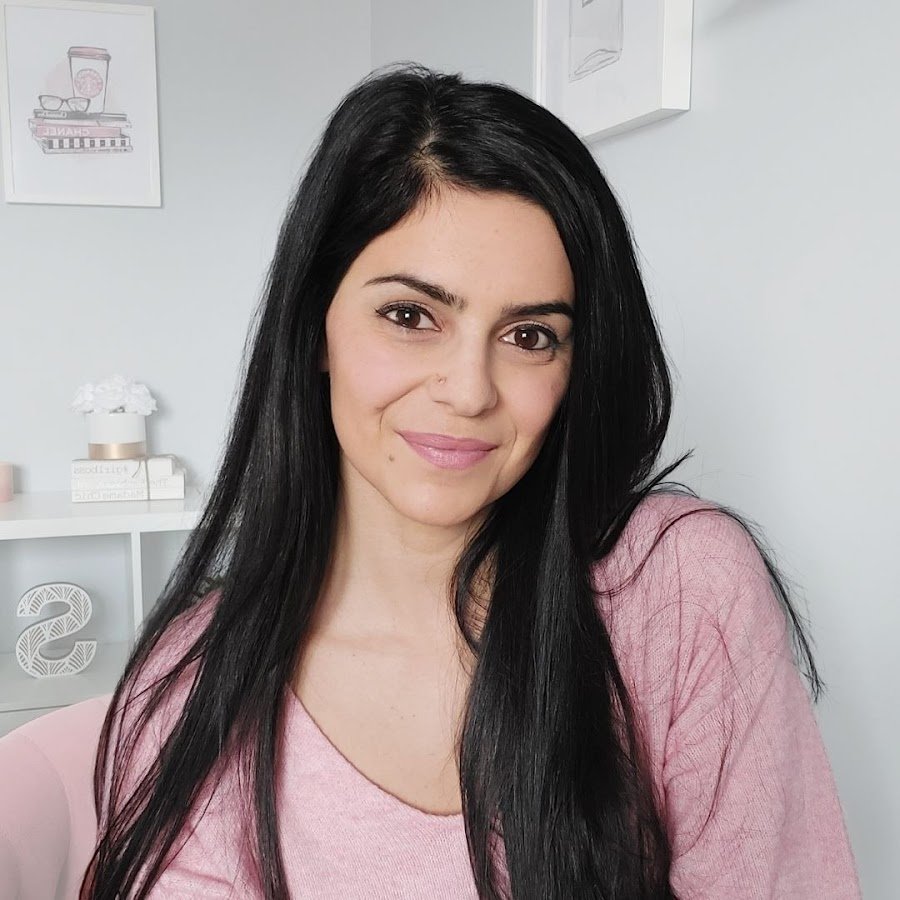
Sandra Di — The Canva and Printables Expert
What She Teaches
Sandra Di is one of the most practical voices in the digital products YouTube channel space. She built a six-figure digital product business on the side while working full-time as an engineer, and her channel reflects that grounded, step-by-step approach. Her content focuses on selling digital products through platforms like Etsy and Gumroad, creating printables with Canva, and building a sustainable side income without quitting your day job first.
What sets Sandra apart from most digital products YouTube channels is her ability to break down complex income strategies into beginner-friendly tutorials that anyone can follow. She covers everything from designing your first printable to running a full digital storefront, and she does it without the hype or unrealistic income claims that plague many channels in this space. Her engineering background shows in the clarity and structure of her teaching.
Strengths
- Beginner-friendly: Jargon-free, step-by-step tutorials that require no prior design or business experience.
- Real income transparency: She shares honest numbers without exaggeration or unrealistic promises.
- Strong Canva tutorials: One of the best teachers of Canva-based product creation on YouTube.
- Covers creation and marketing: She teaches both how to make the product and how to sell it.
- Consistent uploads: Regular content keeps the channel current with platform changes.
Weaknesses
- Less depth for advanced sellers: Content is optimized for beginners and early-stage sellers, not experienced operators.
- Primarily Etsy-focused: Limited coverage of other platforms like Shopify or standalone stores.
- Paid ads rarely covered: Traffic scaling through paid advertising is not a focus of the channel.
Best for:
- Complete beginners who want to start selling digital products using Canva
- Side hustlers building income while keeping their day job
- Anyone who wants clear, honest tutorials from someone who has built it from scratch
Not ideal for:
- Experienced sellers looking for advanced scaling strategies or paid traffic
- Those focused on platforms other than Etsy or Gumroad
Recommended Starting Videos:
- Her “How I’d Start Selling Digital Products Today From $0” — the clearest entry point to her system
- Her Canva printable creation tutorials — the most practical content on the channel
- Her Etsy shop setup and optimization series — essential for anyone starting from zero
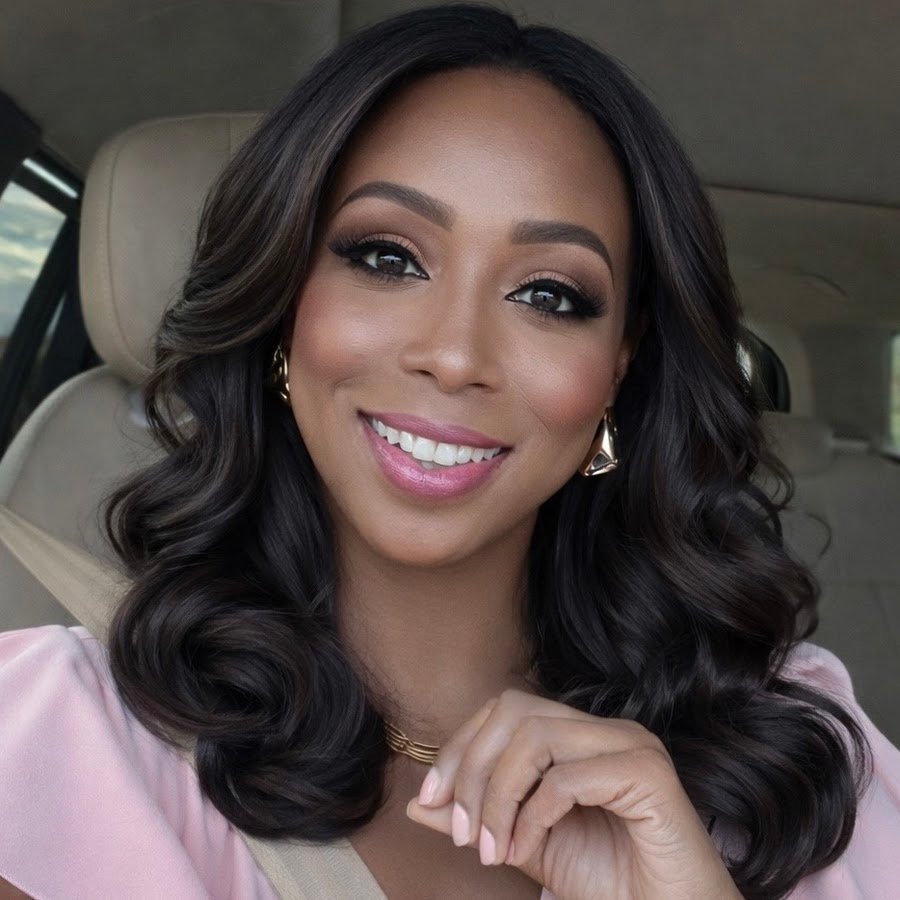
Odetta Rockhead-Kerr — Financial Independence Through Digital Income
What She Teaches
Odetta Rockhead-Kerr brings over 20 years of leadership experience in the global outsourcing and technology industry to her digital products YouTube channel. Her content is built around one central idea: using digital products and online business to achieve genuine financial independence, not just a side income. She teaches her audience how to build systems that generate income while they sleep, with a focus on sustainability over quick wins.
With 1.56 million subscribers, Odetta has built one of the largest audiences in the digital products YouTube channel space. Her channel is a strong fit for anyone who wants a business-minded approach to digital products. She covers everything from creating your first digital product to building a full online business that can replace a corporate salary, and she brings a level of professional credibility that is rare in this niche.
Strengths
- Massive reach: 1.56M subscribers signals broad trust and a proven, widely-validated approach.
- Financial independence focus: Goes beyond side hustle tactics to teach real income replacement strategies.
- Professional credibility: 20+ years of corporate leadership experience backs every business framework she teaches.
- Motivating and grounded: Combines practical strategy with the mindset work needed to follow through.
- Active community: Strong engagement and community support for accountability.
Weaknesses
- Less platform-specific: Fewer deep-dive tutorials on specific tools like Canva or Etsy SEO compared to Sandra Di.
- Some motivational lean: Certain videos prioritize inspiration over step-by-step tactical instruction.
- Broad scope: The wide range of topics can make it harder to follow a single clear path as a beginner.
Best for:
- Professionals who want to transition out of corporate life using digital income
- Anyone building toward full financial independence, not just a side hustle
- People who want a business-minded framework backed by real professional experience
Not ideal for:
- Those looking for deep platform-specific tutorials on Canva or Etsy
- Beginners who need step-by-step design walkthroughs before anything else
Recommended Starting Videos:
- Her “4 Digital Products Proven to Sell” series — the best entry point to her product strategy
- Her financial independence roadmap content — where her unique value is clearest
- Her “How to Fire Your Boss” content — the most motivating and strategic content on the channel

Natalia Kalinska — Etsy and Passive Income Strategies
What She Teaches
Natalia Kalinska has built one of the most consistently useful digital products YouTube channels for Etsy sellers and passive income seekers. Her content covers Etsy shop setup and optimization, digital product creation, passive income strategies, and the practical steps to turning a digital product idea into consistent monthly revenue. She publishes actionable tutorials every two weeks, keeping the channel current with platform changes and market trends.
What makes Natalia’s channel stand out among digital products YouTube channels is the combination of scale and accessibility. With 195K subscribers and 222 videos, she has a large enough library to cover nearly every question a new or intermediate Etsy seller might have, and her teaching style is clear enough that complete beginners can follow along without feeling overwhelmed.
Strengths
- Highly accessible: One of the most beginner-friendly digital products YouTube channels available.
- Large library: 222 videos covering nearly every aspect of Etsy selling and digital product creation.
- Consistent uploads: Bi-weekly schedule keeps the content current and the audience engaged.
- Broad product coverage: Covers a wide range of digital product types, not just one niche.
- Proven approach: 195K subscribers signals that her strategies resonate and produce results.
Weaknesses
- Surface-level for advanced sellers: The broad beginner focus means less depth for experienced operators.
- Etsy-heavy: Limited coverage of platforms beyond Etsy for digital product distribution.
- Less unique positioning: The Etsy and passive income space is crowded, and her angle is not as distinct as Sandra Di’s or Emeka’s.
Best for:
- Complete beginners who want a proven, widely-trusted starting point with a large content library
- Etsy sellers at any stage who want to improve their shop and product strategy
- Anyone exploring passive income through digital downloads for the first time
Not ideal for:
- Advanced sellers looking for cutting-edge or niche-specific strategies
- Those focused on platforms outside of Etsy
Recommended Starting Videos:
- Her beginner digital products playlist — the most logical starting point for new sellers
- Her Etsy SEO tutorials — essential for anyone who wants their listings to actually get found
- Her “digital product ideas that sell” content — the fastest way to find your first product
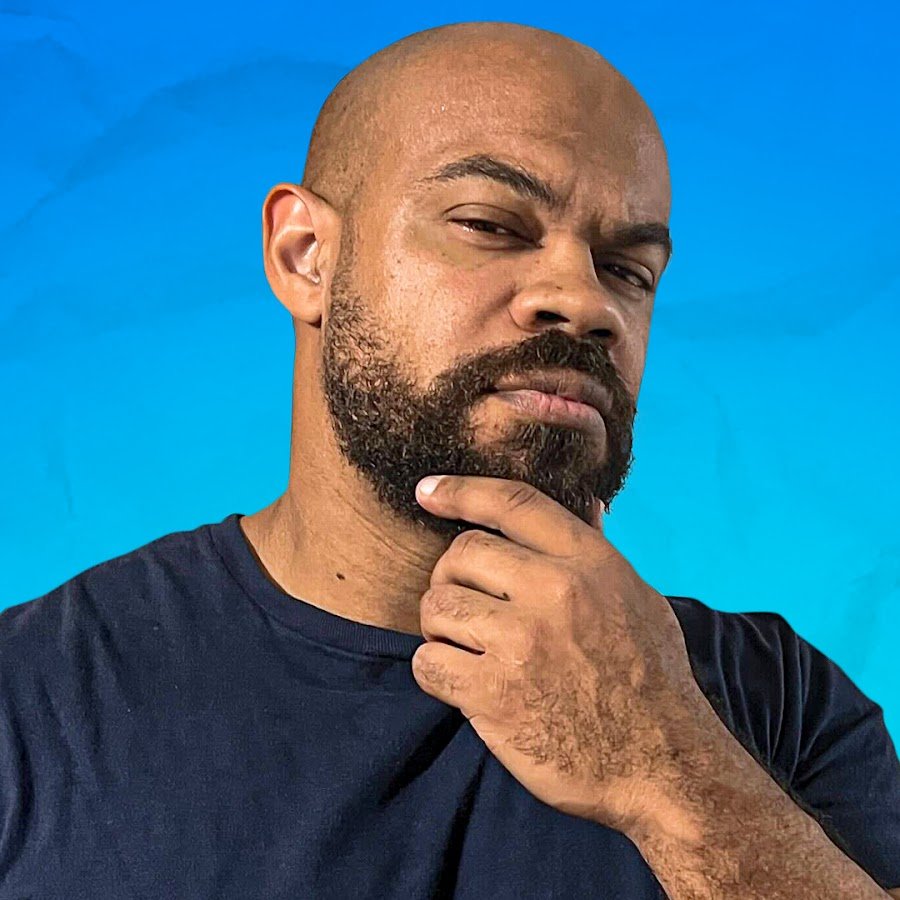
Emeka Ossai — Amazon KDP and Self-Publishing Profits
What He Teaches
Emeka Ossai runs the Self Publishing Profits channel, which is one of the most focused and practical digital products YouTube channels for anyone interested in Amazon KDP and nonfiction self-publishing. While most digital product creators focus on Etsy and Canva, Emeka carves out a distinct lane by teaching viewers how to build passive income through publishing books and low-content products on Amazon’s Kindle Direct Publishing platform — the world’s largest marketplace.
His channel is a strong complement to the other creators on this page because it covers a completely different distribution channel. With 876 videos and a relentless focus on KDP keyword research, book optimization, and publishing strategy, Emeka’s channel is the most comprehensive Amazon KDP resource among the digital products YouTube channels reviewed here. If you want to diversify your digital product income beyond Etsy and into Amazon, this is where you start.
Strengths
- Unique KDP focus: The only creator on this page who specializes in Amazon KDP — fills a gap the others do not cover.
- Massive content library: 876 videos covering nearly every aspect of KDP publishing and optimization.
- Keyword and optimization depth: Some of the most detailed KDP keyword research content available on YouTube.
- Honest about timelines: Does not promise overnight results — sets realistic expectations for the publishing process.
- Diversification value: Teaches a completely different income channel from Etsy, making it ideal as a complement to other strategies.
Weaknesses
- Narrow niche: The Amazon KDP focus is highly specific — not useful for those focused on Etsy or Canva products.
- Smaller audience: 27.6K subscribers means less social proof than the other creators on this page.
- Limited social media coverage: Traffic generation through social media and paid ads is not a focus.
Best for:
- Writers and creators interested in building passive income through self-publishing
- Digital product sellers who want to expand their income into Amazon KDP
- Anyone interested in low-content book publishing (journals, planners, workbooks )
Not ideal for:
- Those focused exclusively on Etsy or Canva-based products
- Sellers looking for broad digital product strategy across multiple platforms
Recommended Starting Videos:
- His beginner KDP overview content — the clearest entry point to the publishing process
- His keyword research tutorials — the most unique and valuable content on the channel
- His low-content book strategy videos — the fastest path to your first Amazon publication
Quick Comparison: Best Digital Products YouTube Channels
Here is how the four digital products YouTube channels reviewed on this page compare across the dimensions that matter most for someone building an online income.
| Creator | Sandra Di | Odetta Rockhead-Kerr | Natalia Kalinska | Emeka Ossai |
|---|---|---|---|---|
| Subscribers | 346K+ | 1.56M+ | 195K+ | 27.6K+ |
| Primary focus | Canva, printables, Etsy | Financial independence, digital business | Etsy, passive income | Amazon KDP, self-publishing |
| Best platform | Etsy / Gumroad | Multiple platforms | Etsy | Amazon KDP |
| Skill level | Beginner to intermediate | Beginner to advanced | Beginner | Beginner to intermediate |
| Design tools | Canva (core focus ) | Various | Canva and others | KDP formatting tools |
| Income goal | Side income | Full income replacement | Passive income | Royalty income |
The Honest Scoring System
How do you measure a digital products YouTube channel? We look past the subscriber count and evaluate the actual teaching quality. Here are the eight dimensions that matter for anyone building real income from digital products.
| Dimension | Sandra Di | Odetta | Natalia | Emeka |
|---|---|---|---|---|
| Teaching Clarity | 9 — Step-by-step and jargon-free | 8 — Clear with a business lens | 9 — Highly accessible | 8 — Practical and direct |
| Beginner Friendliness | 10 — Ideal starting point | 8 — Accessible but assumes ambition | 10 — Best for absolute beginners | 8 — KDP-specific but approachable |
| Advanced Depth | 6 — Limited beyond basics | 7 — Business strategy goes deeper | 5 — Stays surface-level | 7 — Strong KDP depth |
| Content Consistency | 9 — Regular uploads | 8 — Active with large library | 9 — Very consistent bi-weekly | 7 — Steady pace |
| Platform Coverage | 7 — Etsy-heavy | 8 — Broader platform awareness | 6 — Etsy-focused | 9 — Amazon KDP specialist |
| Income Transparency | 9 — Honest about numbers | 8 — Credible and realistic claims | 7 — Generally reasonable | 8 — Realistic expectations |
| Actionability | 9 — Easy to implement immediately | 8 — Strong frameworks | 9 — Very actionable | 8 — Clear next steps |
| Unique Value | 8 — Engineer-to-entrepreneur angle | 9 — Financial independence focus is rare | 7 — Scale and reach | 10 — Only KDP-focused creator here |
Who Should You Follow?
Your choice among these digital products YouTube channels depends entirely on your current skill level, your income goal, and which platform you want to build on. Here is the honest breakdown.
Follow Sandra Di if:
You want to start selling digital products using Canva with no prior design experience. Sandra is the clearest, most practical teacher for anyone who wants to create printables, templates, or ebooks and sell them on Etsy. Her engineering background means her tutorials are structured, logical, and easy to follow. If you are building a side income while keeping your day job, she is your best starting point.
Follow Odetta Rockhead-Kerr if:
You are thinking bigger than a side hustle. You want a real business that can replace your income and give you genuine financial independence. Odetta’s 1.56M subscribers and 20+ years of professional experience make her the most credible voice on this list for anyone who wants to build digital income at a level that changes their life, not just supplements it.
Follow Natalia Kalinska if:
You are a complete beginner and want the most widely-trusted starting point with a massive library to draw from. Natalia’s 195K subscribers and 222 videos are a strong signal that her approach works. Start with her beginner playlists, use her Etsy tutorials to build your first passive income stream, and follow her consistent upload schedule to stay current with platform changes.
Follow Emeka Ossai if:
You want to build passive income through Amazon KDP and self-publishing. Emeka’s channel is the most focused and comprehensive Amazon KDP resource among the digital products YouTube channels reviewed here. If you want to diversify beyond Etsy, reach the world’s largest marketplace, and build royalty income from books and low-content products, Emeka is the only creator on this page who teaches that path in depth.
The Goals Quiz: Which Digital Products Channel Is Right for You?
Answer each question honestly. Your most frequent letter reveals which digital products YouTube channel best matches your goals and learning style. Selections highlight in red as you choose.
Question 1: What is your primary income goal?
Question 2: Which tool are you most excited to learn?
Question 3: What is your current experience level with digital products?
Question 4: How do you prefer to learn?
Question 5: Where do you want to sell your digital products?
Question 6: What kind of digital product do you want to create?
Question 7: What matters most to you in a YouTube teacher?
Question 8: What is your biggest challenge right now?
Live Score Tally
Answer all 8 questions to see your result. The highest score is your match.
Your Results and Action Plan
Find the result card that matches your highest tally score and follow the action plan to get started with the right digital products YouTube channel for your goals.
Mostly A’s — Your Match: Sandra Di
You are a hands-on learner who wants to start building digital product income using tools you can pick up quickly. Sandra Di’s channel is built for exactly this. Her Canva-based tutorials and Etsy setup guides will take you from zero to your first sale without overwhelming you with strategy before you have made a single dollar.
Your Action Plan
- Watch her “How I’d Start Selling Digital Products Today From $0” first — it lays out the entire path
- Choose one product type to start with — a printable or Canva template is the fastest path to your first sale
- Follow her Etsy shop setup tutorial to get your storefront live before you overthink it
- Commit to creating three products in your first 30 days and listing them all
Mostly B’s — Your Match: Odetta Rockhead-Kerr
You are thinking bigger than a side hustle. You want a real business that replaces your income and gives you genuine freedom. Odetta’s channel is the right fit — she teaches the systems, mindset, and strategy needed to build digital income at a level that actually changes your life. Her 1.56M subscribers are proof that her approach resonates at scale.
Your Action Plan
- Start with her financial independence roadmap content to understand the full vision
- Map out your current income gap and set a clear 12-month target
- Watch her digital product series to identify your first income stream
- Join her community for accountability and support as you build
Mostly C’s — Your Match: Natalia Kalinska
You want a proven, widely-trusted starting point with a massive library of content to draw from. Natalia’s 195K subscribers and 222 videos are a strong signal that her approach works. Start with her beginner playlists and use her Etsy tutorials to build your first passive income stream the right way from day one.
Your Action Plan
- Browse her channel and start with the beginner digital products playlist
- Pick one digital product idea from her “products that sell” videos and commit to it
- Follow her Etsy SEO tutorials to set up your shop correctly from the start
- Aim for your first 10 listings within 60 days and track what gets views
Mostly D’s — Your Match: Emeka Ossai
You want to build passive income through publishing, and Amazon KDP is one of the most underrated income platforms available. Emeka’s channel will walk you through everything from your first book idea to getting it live on Amazon and earning royalties. His 876 videos and deep KDP expertise make him the most comprehensive resource for this specific path.
Your Action Plan
- Start with his beginner KDP overview video to understand the full publishing process
- Research a low-content book niche using his keyword research tutorials
- Create and publish your first journal or planner within 30 days
- Scale by publishing multiple titles in the same niche to build momentum
Final Thoughts: Which Digital Products YouTube Channel Should You Start With?
The best digital products YouTube channels reviewed here cover four distinct paths to building online income. Sandra Di is the go-to starting point for anyone who wants to create and sell printables or Canva-based products on Etsy. Odetta Rockhead-Kerr is the right choice if you are serious about replacing your income and building toward genuine financial independence. Natalia Kalinska offers the broadest, most beginner-friendly library for Etsy sellers. And Emeka Ossai fills a unique gap by teaching Amazon KDP and self-publishing — a channel that no serious digital product creator should overlook.
The honest truth is that you do not have to pick just one. Each of these digital products YouTube channels covers a different piece of the income puzzle. Start with the one that matches your current skill level and goals, then expand as you grow. The most important step is to start, and any of these four creators will give you a solid foundation to build from.
Next Steps
- Take the quiz above if you have not already — it will point you to the right starting channel
- Subscribe to your matched creator and watch their beginner playlist this week
- Choose one product type and commit to creating it within the next 30 days
- Check out Series II: AI & Affiliate if you want to add a traffic and monetization layer to your digital product business
- Explore the full YouTube Professional Series for more creator reviews across every major niche
Frequently Asked Questions
What are the best digital products YouTube channels for beginners?
For complete beginners, Sandra Di and Natalia Kalinska are the two strongest starting points among the digital products YouTube channels reviewed here. Sandra Di focuses on Canva-based printables and Etsy, with step-by-step tutorials that require no prior design experience. Natalia Kalinska has 195K subscribers and covers a wide range of digital product ideas with a very accessible teaching style. Both channels are free to follow and packed with actionable content that can take you from zero to your first sale.
Can I really make money selling digital products by following YouTube advice alone?
Yes, many people have built real income streams by following the strategies taught on these digital products YouTube channels. The key is to take action consistently rather than just watching videos. Start with one product type, follow one creator’s system, and focus on getting your first sale before expanding. Sandra Di, Odetta Rockhead-Kerr, Natalia Kalinska, and Emeka Ossai all provide strategies that have been proven to work when applied consistently and with realistic expectations.
What is the difference between selling on Etsy and selling on Amazon KDP?
Etsy is a marketplace for handmade, vintage, and digital download products. It is ideal for printables, templates, planners, and Canva-based designs. Amazon KDP (Kindle Direct Publishing ) is Amazon’s self-publishing platform, best suited for books, journals, workbooks, and low-content products. Both are legitimate passive income channels. Sandra Di and Natalia Kalinska focus on Etsy, while Emeka Ossai specializes in Amazon KDP. Many successful digital product creators use both platforms to diversify their income.
How long does it take to make money from digital products?
Timelines vary widely depending on the platform, product quality, and consistency of effort. On Etsy, some sellers make their first sale within days of listing a well-optimized product. On Amazon KDP, it can take several weeks for a book to gain traction in search results. The digital products YouTube channels reviewed here are honest about timelines — none of them promise overnight results. A realistic expectation is your first sale within 30 to 90 days if you follow a proven system consistently and optimize your listings properly.
Do I need design skills to sell digital products?
No. Sandra Di’s entire channel is built around the idea that you can create professional digital products using Canva, even with no design background. Canva’s drag-and-drop interface and template library make it accessible to anyone. For Amazon KDP, Emeka Ossai teaches how to create low-content books like journals and planners that require minimal design work. Design skills help, but they are not a prerequisite for getting started with any of the digital products YouTube channels reviewed on this page.