The YouTube Professional Series II: AI Automation & Affiliate Marketing Channels
Affiliate marketing is one of the most accessible ways to build an online income. You do not need to create a product, manage inventory, or handle customer service. You simply connect people with the products and services they are already searching for.
But the space is packed with noise. For every channel teaching real, sustainable business building, there are dozens promising five-figure weeks from copy-and-paste methods that stopped working years ago. The truth is that building a real affiliate marketing YouTube channel audience requires understanding traffic, building an audience, and creating genuine value.
In this guide, we review five of the best AI automation and affiliate marketing YouTube channels available today: Nate Herk, affiliatemarketingmc, Greg Isenberg, Frey Chu, and High Response Marketing. We break down what each one teaches, their strengths and weaknesses, and who should actually follow them. Take the quiz at the end to find out which of these top affiliate marketing YouTube channels matches your specific goals and working style.
Table of Contents
- 1. Nate Herk — The AI Automation Architect
- 2. affiliatemarketingmc — The Niche Site Specialist
- 3. Greg Isenberg — The Community-First Builder
- 4. Frey Chu — The Directory and SEO Strategist
- 5. High Response Marketing — The Local Direct Response Expert
- 6. Quick Comparison Table
- 7. Honest Scoring System
- 8. Who Should You Follow?
- 9. The Goals Quiz
- 10. Quiz Results and Action Plans
- 11. Final Thoughts
- 12. FAQ

Nate Herk — The AI Automation Architect
What He Teaches
Nate Herk has evolved from affiliate funnel building into one of the most practical AI automation educators on YouTube. His core philosophy is that AI workflows built with tools like n8n should replace repetitive manual tasks in your business, freeing you to focus on growth. He teaches how to build automated systems that capture leads, nurture them, and convert them over time without requiring daily manual effort.
His framework centers on the Automated Business Stack: own your audience through email lists and AI-powered sequences, rather than relying entirely on algorithmic traffic. If a platform changes its algorithm, your list does not disappear. This makes Nate Herk one of the most forward-thinking voices in the affiliate marketing YouTube channel space, combining traditional funnel strategy with modern AI tooling.
Strengths
- AI-first approach: One of the clearest teachers of practical n8n and AI agent workflows on YouTube.
- Systems focus: Teaches how to build assets you actually own, not rented traffic.
- Long-term thinking: Moves away from quick-cash tactics toward sustainable business building.
- Technical walkthroughs: Shows the actual software setup and workflow structure, not just theory.
- Proven results: Documented income from AI automation clients and affiliate systems.
Weaknesses
- Software costs: AI systems and funnels require paid tools (email autoresponders, n8n hosting, page builders ).
- Technical barrier: Beginners may find setting up AI automations and workflows overwhelming at first.
- Slower initial results: Building lists and automations takes more time than direct linking.
- Less traffic focus: Sometimes emphasizes the system more than how to get the initial traffic into it.
Best for:
- People who want to build a real, automated business asset
- Those willing to invest in software tools (AI, email marketing, funnels)
- Marketers who want to automate their sales and client delivery process
- People interested in selling AI automation services to local businesses
Not ideal for:
- Complete beginners looking for free, zero-cost methods
- People who want fast cash without building infrastructure
- Those who are intimidated by software, APIs, and technical setups
Recommended Starting Videos:
- His foundational AI automation series — the best entry point for understanding his system
- His n8n workflow tutorials show the actual software setup step by step
- His email list building videos explain why owning your audience beats algorithmic traffic

affiliatemarketingmc — The Niche Site Specialist
What He Teaches
Marcus Campbell (affiliatemarketingmc ) has been teaching affiliate marketing for over 25 years and focuses heavily on SEO, niche website building, and finding low-competition keywords. His philosophy is that you do not need millions of visitors to make money. You just need the right visitors searching for specific solutions, and you need to be the page that answers them.
His approach follows a Niche Authority Framework: find an obscure, high-intent keyword with low competition, build a simple site around it, publish targeted content, and let Google send you free traffic indefinitely. Specificity beats volume every time. For anyone serious about building a passive income affiliate marketing YouTube channel education, Marcus is one of the most honest and experienced voices available.
Strengths
- Keyword mastery: Excellent at showing how to find hidden, profitable search terms with buying intent.
- Low competition focus: Teaches how to rank without needing massive domain authority.
- Realistic expectations: Very transparent about the time and effort SEO actually takes.
- Practical examples: Frequently does live searches and site teardowns on camera.
- High ROI potential: Organic traffic is free once it ranks, making margins very high.
Weaknesses
- SEO timeline: It takes months for new sites to rank and generate meaningful traffic.
- Google dependence: Algorithm updates can wipe out traffic overnight with no warning.
- Writing intensive: Requires creating a significant volume of written content consistently.
- Dry presentation: Very analytical and data-heavy, which some viewers find difficult to stay engaged with.
Best for:
- Patient builders who want passive, organic traffic over the long term
- People who enjoy writing or managing content creation
- Analytical thinkers who like data and keyword research
- Those who want to build a portfolio of niche websites
Not ideal for:
- People who need to make money this month
- Those who dislike writing or dealing with WordPress
- Marketers who prefer fast-paced social media or paid traffic strategies
Recommended Starting Videos:
- His keyword research and niche selection videos — the foundation of his entire approach
- His live site teardown videos show exactly how he evaluates and builds niche sites
- His SEO basics series is the clearest explanation of how organic traffic actually works

Greg Isenberg — The Community-First Builder
What He Teaches
Greg Isenberg is the CEO of Late Checkout and approaches online business through the lens of community building and AI-powered startup creation. His core thesis is that the most valuable asset on the internet is trust within a specific community. Instead of chasing algorithmic traffic, he advocates for building newsletters, Discord groups, or niche communities around a specific interest, providing massive value, and then monetizing that attention through affiliate partnerships, sponsorships, and digital products.
His framework is the ACP Model: Audience, Community, Product. Build the audience first, deepen it into a community, then create or recommend products that the community actually wants. This sequence is the opposite of most affiliate marketing advice, which starts with the product. For anyone building a long-term affiliate marketing YouTube channel strategy, Greg’s community-first approach is one of the most durable models available.
Strengths
- High trust model: Communities convert at much higher rates than cold traffic from search or ads.
- Asset ownership: You own the newsletter or community, protecting you from algorithm changes.
- Multiple revenue streams: Communities can be monetized via affiliates, sponsorships, and paid tiers simultaneously.
- Modern approach: Very aligned with where the internet is heading as niche communities grow.
- AI integration: Actively teaches how to use AI tools to build and grow faster.
Weaknesses
- High effort: Managing a community is a daily, ongoing commitment that does not run on autopilot.
- Slow monetization: You must build trust before you can sell effectively, which takes months.
- Requires leadership: You have to be willing to lead, engage, and show up for people consistently.
- Less direct affiliate focus: Affiliate marketing is just one piece of his broader community and startup strategy.
Best for:
- People who want to build a brand and be a recognized voice in a niche
- Those who enjoy interacting with people and managing communities
- Marketers who want high-trust, high-converting audiences
- Writers and creators focused on newsletters and digital products
Not ideal for:
- Introverts looking for completely anonymous, hands-off income
- People who want to set up automated systems and walk away
- Those looking for quick, direct-response affiliate tactics
Recommended Starting Videos:
- His ACP model videos — the clearest explanation of his community-first philosophy
- His newsletter building series explains how to own your audience from day one
- His AI startup idea videos are the most entertaining and idea-generating content on the channel

Frey Chu — The Directory and SEO Strategist
What He Teaches
Frey Chu focuses on building profitable directory websites as a path to passive affiliate and advertising income. His philosophy is that directory sites occupy a unique position in SEO: they serve real-world search intent (people looking for specific businesses, services, or resources in a location or category ), they are highly defensible once built, and they require far less ongoing content creation than a traditional blog or niche site.
His Directory Validation Framework teaches you to find a niche where people are actively searching for a curated list of options, build a clean directory site around it, get it ranking on Google, and then monetize through display ads, affiliate links, and featured listings. For anyone looking for a passive-income affiliate marketing YouTube channel education that goes beyond blogging, Frey Chu is one of the most unique voices in the space.
Strengths
- Unique model: Directory sites are underexplored compared to traditional niche blogs and affiliate sites.
- Defensible asset: A well-built directory is hard to replicate and compounds in value over time.
- Low content burden: Listings require less ongoing writing than a blog-based niche site.
- Multiple monetization paths: Display ads, affiliate links, and paid listings all work simultaneously.
- Transparent results: Frey shares real revenue numbers and traffic data from his own sites.
Weaknesses
- Google dependence: Directory sites rely on organic search and are vulnerable to algorithm changes.
- Long timeline: New directories can take 3-9 months to rank and generate meaningful income.
- Smaller channel: Less content volume and community size compared to larger affiliate channels.
- Technical setup: WordPress directory plugins require some technical knowledge to configure properly.
Best for:
- People who want to build a passive web property that compounds in value over time
- Those who prefer building something once rather than publishing new content every week
- Analytical thinkers who like validating demand with data before committing time and money
- Anyone interested in local SEO, niche directories, or web properties as investments
Not ideal for:
- People who need income within the next 30-60 days
- Those who are uncomfortable with WordPress and plugin setup
- Marketers who prefer social media or community-based strategies
Recommended Starting Videos:
- His directory validation framework videos — the essential starting point before building anything
- His monetization breakdown shows exactly how directory sites earn from multiple sources
- His case study videos with real traffic and revenue data are the most credible content on the channel
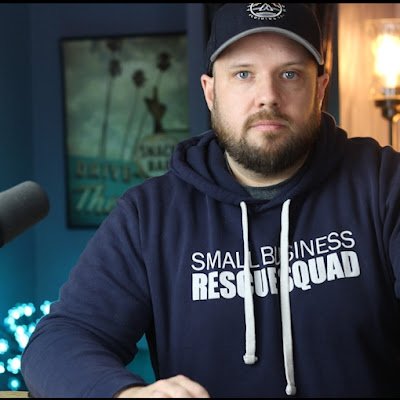
High Response Marketing — The Local Direct Response Expert
What He Teaches
High Response Marketing (Jake ) teaches a completely offline approach to building a recurring local income: the 9×12 postcard co-op model. The concept is straightforward. You sell advertising space on a large-format postcard to multiple local businesses, get it printed and mailed to thousands of households in a target area, and keep the difference between what you charge the advertisers and what the printing and mailing costs. Each business gets a recurring advertising presence, and you earn a monthly fee for managing the campaign.
Jake’s channel is one of the most specific and actionable on this list. He shares exact pricing, scripts for approaching local businesses, fulfillment guides, and real campaign results. For anyone looking for a local marketing YouTube channel that teaches a real, offline side hustle with fast income potential, High Response Marketing stands apart from every digital-only approach on this list.
Strengths
- Fast income: You can close your first clients and mail your first campaign within weeks, not months.
- Recurring revenue: Local businesses pay monthly, creating a stable, predictable income base.
- Low competition: Most online marketers ignore direct mail, leaving the local space wide open.
- Low barrier to entry: You can start with a phone, a printer quote, and a list of local businesses.
- Measurable results: Direct mail response rates are trackable, making it easy to prove ROI to clients.
- Highly specific: Jake shares exact scripts, pricing, and fulfillment guides rather than vague theory.
Weaknesses
- Offline model: Requires in-person or phone sales to local businesses, which is not for everyone.
- Limited scalability: The postcard model is geographically constrained and harder to scale than digital businesses.
- Smaller channel: Less content volume and community size compared to larger digital marketing channels.
- Niche audience: Primarily relevant to people interested in local marketing and offline side hustles.
Best for:
- People who want a local, offline side hustle with real recurring income
- Those who are comfortable talking to local business owners
- Marketers who want to stand out by mastering a channel most people ignore
- Anyone looking to add a direct mail service to an existing marketing business
Not ideal for:
- People who want a fully remote, digital-only business
- Those who are uncomfortable with in-person or phone sales
- Marketers focused on scaling globally rather than locally
Recommended Starting Videos:
- His 9×12 postcard system overview videos — the complete model explained from start to finish
- His client acquisition scripts show exactly how to approach and close local businesses
- His fulfillment and pricing guides are the most practical content on the channel for getting started

Quick Comparison Table
Not sure which of these affiliate marketing YouTube channels fits your situation? The table below gives you a side-by-side view of each creator’s focus, best-fit audience, and primary income model.
| Creator | Nate Herk | affiliatemarketingmc | Greg Isenberg | Frey Chu | High Response Mktg |
|---|---|---|---|---|---|
| Subscribers | 631K+ | 273K+ | 593K+ | 30.1K+ | 30.7K+ |
| Primary focus | AI automation and funnels | SEO and niche sites | Communities and newsletters | Directory websites | Local direct mail |
| Best for | Tech-comfortable builders | Patient content creators | Brand builders and leaders | Passive asset builders | Local side hustle seekers |
| Traffic model | Email list and AI workflows | Organic search (Google ) | Community and newsletter | Organic search (Google) | Offline direct response |
| Time to first income | 2-4 months | 3-6 months | 3-6 months | 3-9 months | 2-6 weeks |
| Startup cost | Medium-high (tools) | Low-medium (hosting) | Low (newsletter first) | Low-medium (hosting) | Very low |
| Beginner friendly | Moderate | Yes | Yes | Moderate | Yes (best option) |
The Honest Scoring System
Each creator is scored across eight dimensions on a 1-10 scale. These scores reflect the quality and depth of their content relative to each dimension, not the size of their audience. This is the most objective way to compare these top affiliate marketing YouTube channels.
| Dimension | Nate Herk | affiliatemarketingmc | Greg Isenberg | Frey Chu | High Response Mktg |
|---|---|---|---|---|---|
| Beginner Friendliness | 6 — Technical setup required | 8 — Clear step-by-step approach | 7 — Concepts are accessible | 6 — Some technical knowledge needed | 9 — Very practical and actionable |
| Content Depth | 9 — Deep technical walkthroughs | 8 — Detailed keyword and SEO guides | 8 — Strategic and thought-provoking | 7 — Solid but smaller library | 7 — Focused and specific |
| Actionability | 8 — Clear workflows to implement | 9 — Very hands-on and replicable | 7 — More strategic than tactical | 8 — Specific and replicable process | 9 — Scripts, pricing, and exact steps |
| Income Potential | 9 — High ceiling with AI systems | 8 — Scalable with multiple sites | 9 — Multiple revenue streams | 7 — Solid passive income ceiling | 7 — Capped by geography |
| Startup Cost | 6 — Tools and software required | 7 — Hosting and keyword tools needed | 8 — Low cost to start a newsletter | 7 — Hosting and plugin costs | 9 — Very low cost to start |
| Transparency | 8 — Shows real results and workflows | 9 — Very open about timelines and effort | 8 — Honest about community building challenges | 9 — Shares real revenue numbers | 8 — Specific pricing and fulfillment details |
| Long-Term Viability | 9 — AI automation is growing rapidly | 7 — SEO is subject to Google changes | 9 — Community ownership is durable | 7 — Directories are defensible but Google-dependent | 8 — Offline marketing is underserved |
| Production Quality | 8 — Clean, professional screen recordings | 7 — Functional, content-focused | 9 — High production, polished presentation | 7 — Good quality for channel size | 7 — Straightforward and practical |
Who Should You Follow?
The right channel depends entirely on your current situation, your risk tolerance, and how you prefer to work. Here is a direct recommendation for each type of person looking for the best affiliate marketing YouTube channel for their goals.
Follow Nate Herk if:
You want to build automated systems that generate income without manual daily effort. If you are comfortable with software tools and willing to invest in them, and you think long-term about building a business asset rather than just a side hustle, Nate Herk is the most forward-thinking affiliate marketing YouTube channel for your goals. His AI automation approach is built for people who want to work smarter, not harder.
Follow affiliatemarketingmc if:
You want to build niche websites that generate passive income from organic search traffic. If you enjoy writing or are willing to manage content creation, and you are patient enough to wait 3-6 months for SEO results to materialize, Marcus Campbell’s channel is the most methodical and honest education available for building a portfolio of small, profitable websites.
Follow Greg Isenberg if:
You want to build a recognized brand and become a trusted voice in a specific niche. If you are comfortable with newsletters, community management, and consistent engagement, and you want multiple revenue streams from a single audience, Greg Isenberg’s community-first approach is the most durable and high-value model on this list for building a real media business.
Follow Frey Chu if:
You want to build a passive web property that compounds in value over time without requiring constant content creation. If you prefer building something once and letting it generate income, and you like validating demand with data before committing time and money, Frey Chu’s directory website model is the most unique and defensible approach on this list.
Follow High Response Marketing if:
You want a local side hustle with real recurring income that you can start within weeks, not months. If you are comfortable talking to local business owners and you want to master an offline marketing channel that most digital marketers completely ignore, Jake’s 9×12 postcard system is the most actionable and fastest-to-income approach on this entire list.
The Goals Quiz: Which Affiliate Marketing Channel Is Right for You?
Answer each question honestly. Your most frequent letter reveals which affiliate marketing YouTube channel best matches your goals and working style. Selections highlight in red as you choose.
Question 1: What is your primary goal right now?
Question 2: How do you feel about technical software and tools?
Question 3: How patient are you with waiting for results?
Question 4: What kind of work do you enjoy most?
Question 5: How much are you willing to spend to get started?
Question 6: How do you feel about talking to people directly?
Question 7: Which income model appeals to you most?
Question 8: What does your ideal business look like in two years?
Your Live Score Tally
Scroll down to see your full results and action plan.
Your Results and Action Plan
Find the letter you selected most often above. Your result card gives you a specific 30-day action plan for getting started with the right affiliate marketing YouTube channel for your goals.
Mostly A’s — You Are a Nate Herk Person (The Systems Builder)
You want to build automated income, not trade time for money indefinitely. You are comfortable with software and willing to invest in the tools that make automation possible. Nate’s AI-powered approach to affiliate marketing and funnel building is built for you.
Your 30-Day Action Plan:
- Subscribe to Nate Herk’s channel and watch his foundational AI automation series from the beginning.
- Set up your n8n account and build your first simple workflow, even if it just sends you a daily email report.
- Choose one affiliate offer to promote and build a simple opt-in page to capture email leads.
- Connect your opt-in page to a basic email sequence using an autoresponder.
- Drive initial traffic to your opt-in page through one consistent organic channel.
Mostly B’s — You Are an affiliatemarketingmc Person (The Niche Builder )
You are patient, analytical, and drawn to the idea of building web assets that generate income from Google search without paid advertising. You do not mind writing and you understand that SEO takes time. Marcus Campbell’s niche site approach is the right fit for your mindset and goals.
Your 30-Day Action Plan:
- Watch Marcus’s keyword research and niche selection videos to understand how to find low-competition opportunities.
- Choose a niche based on a topic you know or can research, with clear buyer intent keywords available.
- Register a domain, set up WordPress hosting, and install a lightweight theme.
- Write and publish your first 5 articles targeting specific long-tail keywords from your research.
- Apply to at least one affiliate program relevant to your niche and add your first affiliate links.
Mostly C’s — You Are a Greg Isenberg Person (The Community Builder )
You want to build something people genuinely care about. You are drawn to the idea of being a trusted voice in a niche, building a real audience that you own, and monetizing that trust in multiple ways. Greg Isenberg’s community-first approach is the right framework for your goals.
Your 30-Day Action Plan:
- Watch Greg’s ACP model videos and identify the specific niche community you want to build around.
- Start a free newsletter on Beehiiv or Substack and publish your first three issues.
- Identify 2-3 affiliate programs that are genuinely relevant to your audience’s needs and goals.
- Promote your newsletter consistently through one social channel (LinkedIn, X, or YouTube).
- Engage with every reply and comment you receive in the first 30 days to build real relationships.
Mostly D’s — You Are a Frey Chu Person (The Directory Builder )
You want to build a web asset that earns passively without requiring you to publish new content every week. You are analytical, patient, and drawn to the idea of building something defensible that compounds in value. Frey Chu’s directory website model is the right fit for your approach.
Your 30-Day Action Plan:
- Watch Frey’s directory validation framework videos to understand how to identify a profitable niche.
- Research 3-5 existing successful directories in niches you are interested in and analyze their monetization.
- Choose your niche, register a domain, and set up WordPress with a directory plugin.
- Add your first 20-30 listings manually to build initial content and structure.
- Apply to relevant affiliate programs and add affiliate links to your directory listings.
Mostly E’s — You Are a High Response Marketing Person (The Local Hustler )
You want real income fast, you are comfortable talking to people, and you want to master a channel that most online marketers completely ignore. Jake’s 9×12 postcard system gives you a clear, step-by-step path to recurring local income that you can start without a website, SEO, or paid ads.
Your 30-Day Action Plan:
- Watch Jake’s 9×12 postcard system overview videos to understand the full model from start to finish.
- Identify a neighborhood in your city with 5,000-10,000 households as your first target area.
- Create a list of 20-30 local businesses in that area that could benefit from postcard advertising.
- Reach out to 10 businesses this week with Jake’s script and aim to close your first 3-5 advertisers.
- Get your first postcard designed, printed, and mailed, then document the results to show future clients.
Final Thoughts
The best affiliate marketing YouTube channels are not the ones with the most subscribers. They are the ones that match how you actually think, work, and want to live. Nate Herk is the right fit if you want to build automated systems. affiliatemarketingmc is the right fit if you want to build niche sites with organic traffic. Greg Isenberg is the right fit if you want to build a brand and a community. Frey Chu is the right fit if you want to build a passive directory asset. High Response Marketing is the right fit if you want local, recurring income starting this month.
The mistake most people make is trying to follow all of them at once. Pick the one that matches your current situation and your honest tolerance for time, money, and effort. Go deep on that approach for at least 90 days before evaluating whether to pivot. The creators on this list are all teaching real, proven paths. The variable is you.
If you found this guide useful, explore the rest of the YouTube Professional Series using the navigation buttons at the top of this page. Each volume covers a different niche with the same honest, no-hype review format.
Next Steps
- Take the quiz above if you have not already and identify your best-fit creator.
- Subscribe to that creator’s channel and watch their foundational content first.
- Follow your 30-day action plan from the results section above.
- Bookmark this page and return when you are ready to explore a second approach.
- Check out Series I: Entrepreneurship for the business-building channels that complement these affiliate marketing strategies.
Frequently Asked Questions
Which affiliate marketing YouTube channel is best for complete beginners?
High Response Marketing and affiliatemarketingmc are the most beginner-friendly options on this list. High Response Marketing gives you a clear, step-by-step local side hustle you can start with minimal technical knowledge. affiliatemarketingmc walks through niche site building in a methodical, easy-to-follow way. Nate Herk is excellent but requires more comfort with software and automation tools before you can get started effectively.
How long does it take to make money following these affiliate marketing channels?
It depends heavily on the approach. High Response Marketing’s 9×12 model can generate income within 2-6 weeks because you are selling directly to local businesses. Nate Herk’s AI automation systems typically take 2-4 months to build and start converting. SEO-based approaches like affiliatemarketingmc and Frey Chu typically take 3-9 months before organic traffic generates meaningful income. Greg Isenberg’s community model also takes 3-6 months to build enough trust to monetize effectively.
Do I need to spend money to follow these affiliate marketing strategies?
Every approach has some cost, but they vary significantly. High Response Marketing has the lowest startup cost since you can start by selling postcard space before spending anything on printing. Greg Isenberg’s newsletter approach can start free on Substack. SEO-based approaches require hosting and keyword tools (roughly 50-150 per month ). Nate Herk’s AI automation approach requires the most investment in software tools, typically 100-300 per month or more depending on your stack.
Is affiliate marketing still worth learning in 2026?
Yes, but the approach matters more than ever. Simple direct-linking strategies that worked in 2015 are largely ineffective today. The creators on this list are all teaching approaches that build real assets: automated systems, niche websites, communities, directories, and local marketing relationships. These are durable business models because they create genuine value rather than exploiting loopholes. The affiliate marketing YouTube channels that teach asset-building are more relevant now than they have ever been.
Can I follow more than one of these affiliate marketing channels at the same time?
You can watch multiple channels for education, but trying to implement more than one strategy at the same time is a common and costly mistake. Each approach requires focused effort over 90 days or more before results become visible. Splitting your attention between SEO, AI automation, and community building simultaneously means none of them get the depth they need to work. Use the quiz on this page to identify your best fit, commit to that approach for at least 90 days, and only then consider adding a complementary strategy.