Veg Tan vs Chrome Tan: Understanding the Difference
One of the first questions most leatherworkers run into is also one of the most important: What is the difference between vegetable-tanned leather and chrome-tanned leather?
They may both come from an animal hide, but they behave like very different materials once you begin cutting, shaping, stitching, and finishing them. Chrome tan usually will not hold carved or stamped detail the way veg tan does. Heavy veg tan, on the other hand, is rarely the right choice for a soft bag that needs to drape naturally.
Neither leather is automatically better. The right choice depends on what you are making and how you need the finished piece to behave.
This guide explains how veg tan and chrome tan differ, which projects suit each one, what buying mistakes to avoid, and where to find reliable suppliers.
Vegetable Tanned Leather
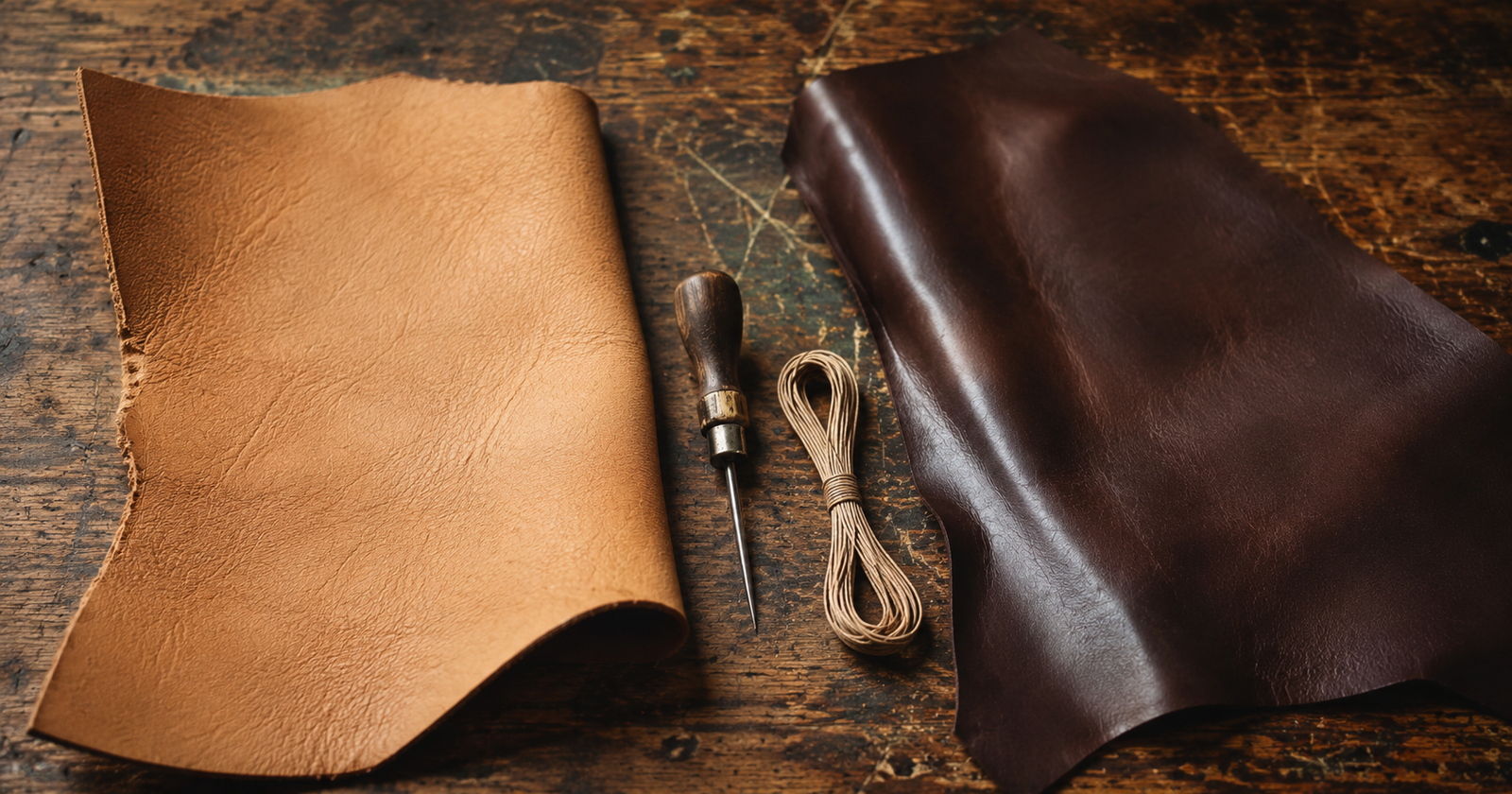
The Traditional Approach: Vegetable-tanned leather is made using tannins derived from plant material such as bark, leaves, and wood. The process generally takes longer than chrome tanning and produces leather that is usually firm, responsive, and well suited to shaping and tooling.
It is the leather many people picture when they think of traditional leathercraft. Natural veg tan often begins pale and gradually darkens as it is handled, used, exposed to sunlight, and conditioned.
Key Characteristics
- Easy to shape and tool: Veg tan can be dampened and molded around an object. It also accepts carving, stamping, and other tooling techniques well. Once dry, it retains much of the shape and detail you worked into it.
- Develops character with use: Natural and lightly finished veg tan absorbs oils, sunlight, handling, and wear. Over time, those changes create the patina many leatherworkers value.
- Takes a traditional burnished edge: The edges can be sanded, dampened, slicked, and burnished to create a smooth, finished appearance.
- Usually firmer in hand: Depending on its thickness and finish, veg tan often has more body and structure than chrome tan.
Best Projects for Veg Tan
Veg tan is a strong choice for belts, wallets, holsters, knife sheaths, saddlery, structured bags, molded cases, and projects that will be carved or stamped. Lighter weights can also work well for smaller goods, linings, and watch straps.
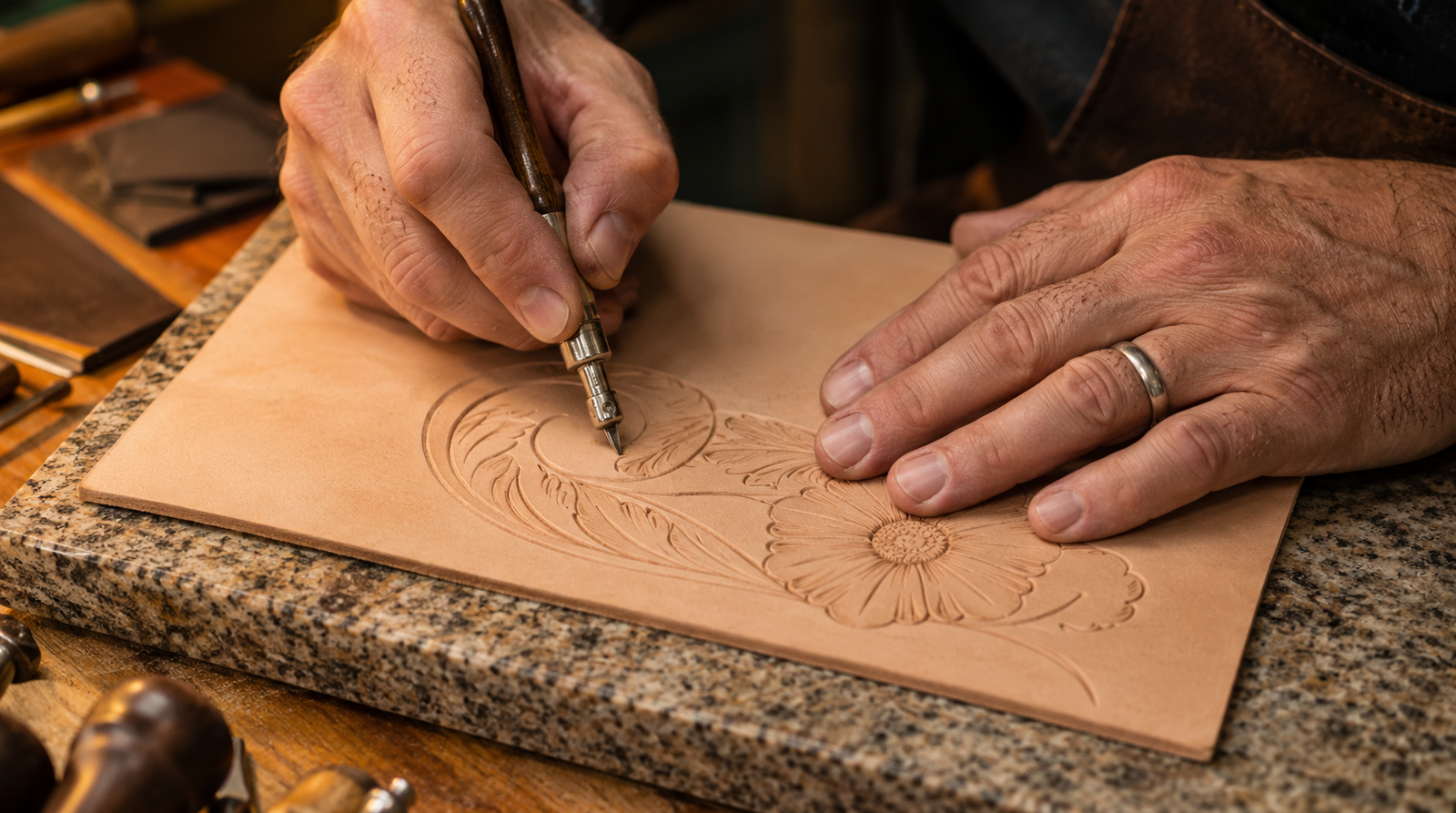
Veg tan accepts carving and stamping detail that chrome tan cannot hold. The granite slab provides a firm, cool surface that helps keep the leather at the right moisture level while tooling.
Looking for veg tan for tooling, belts, structured goods, or smaller leather projects? Our veg tan directory brings the strongest suppliers together in one place. Maverick Leather is my current go-to for interesting hides and good value, while American Leather Direct is worth checking when you want dependable, clearly described options.
Chrome Tanned Leather
The Faster Modern Method: Chrome tanning uses chromium salts to stabilize the hide. The process is much faster than traditional vegetable tanning and can produce leather in a wide range of colors, textures, finishes, and levels of softness.
Most of the leather used in clothing, upholstery, footwear, and mass-produced bags is chrome tanned. That does not make it cheap or inferior. Some of the finest garment and handbag leathers in the world are chrome tanned.
Key Characteristics
- Often softer and more flexible: Chrome tan is commonly chosen when a project needs to bend, fold, or drape naturally. The exact feel still depends on the hide, thickness, temper, and finish.
- Available in a wider range of finishes: It can be produced in bright colors, subdued tones, pebbled textures, smooth finishes, pull-up effects, and many other variations.
- Generally more resistant to moisture and heat: Chrome-tanned leather often handles water and environmental exposure better than unfinished veg tan, although it is not automatically waterproof.
- Edges require a different approach: Most chrome tan does not burnish as cleanly as firm veg tan. Makers commonly fold the edge, bind it, leave it raw, or finish it with edge paint. Some firmer chrome and combination-tanned leathers can be slicked to a degree.
Best Projects for Chrome Tan
Chrome tan is commonly used for jackets, garments, upholstery, handbags, soft totes, footwear, linings, and any project that needs flexibility or drape. It can also work beautifully for watch straps, especially when paired with a firmer lining or reinforcement.
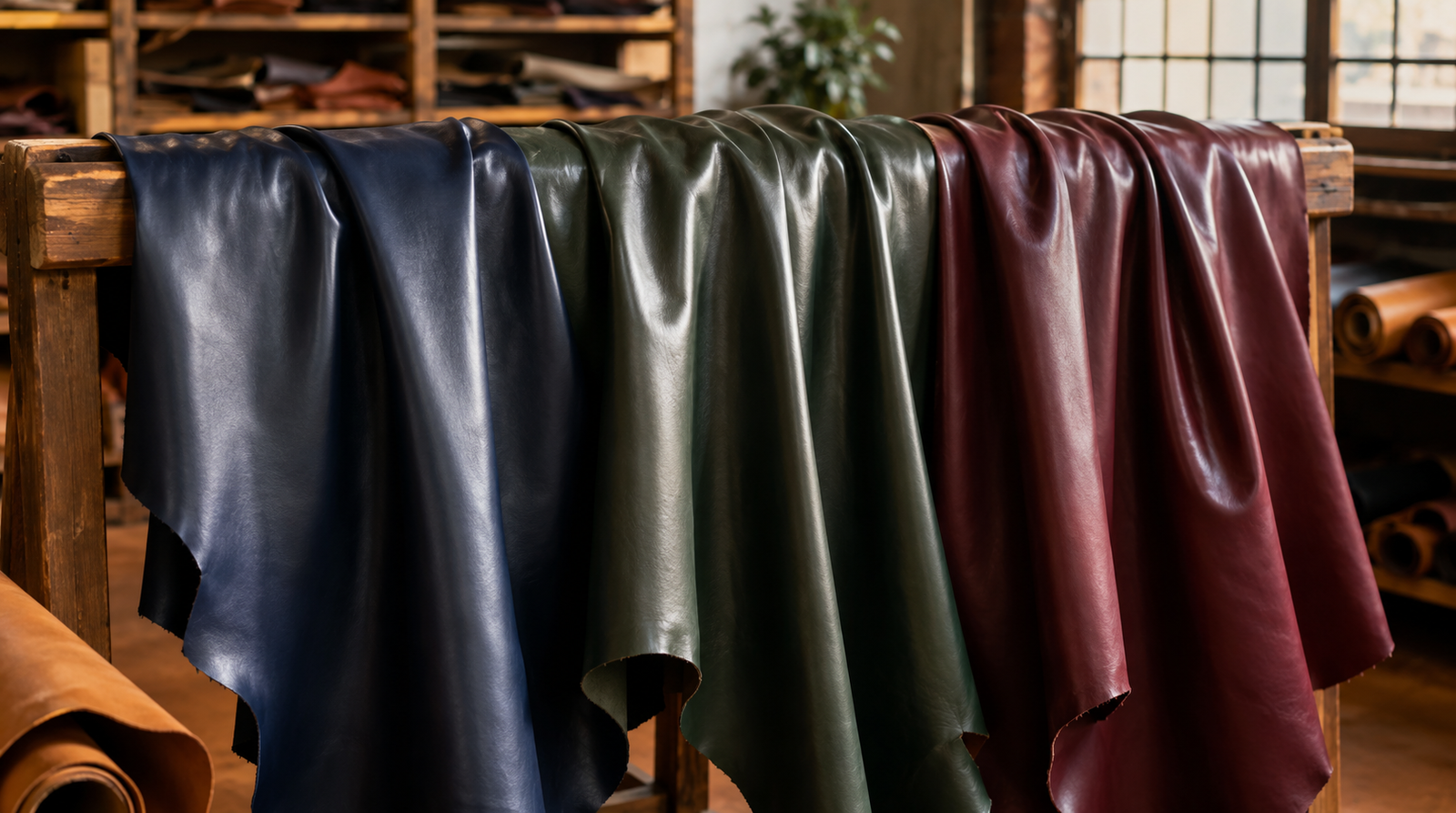
Chrome tanning allows for a wide range of consistent, vibrant colors and finishes. These hides drape naturally, making them well suited for garments, bags, and upholstery.
For garment leather, upholstery hides, bag leather, and softer specialty finishes, start with our chrome-tan supplier directory. The Hide House has an enormous selection and remains a useful place to browse when variety matters, although shipping can make smaller orders less attractive depending on where you live.
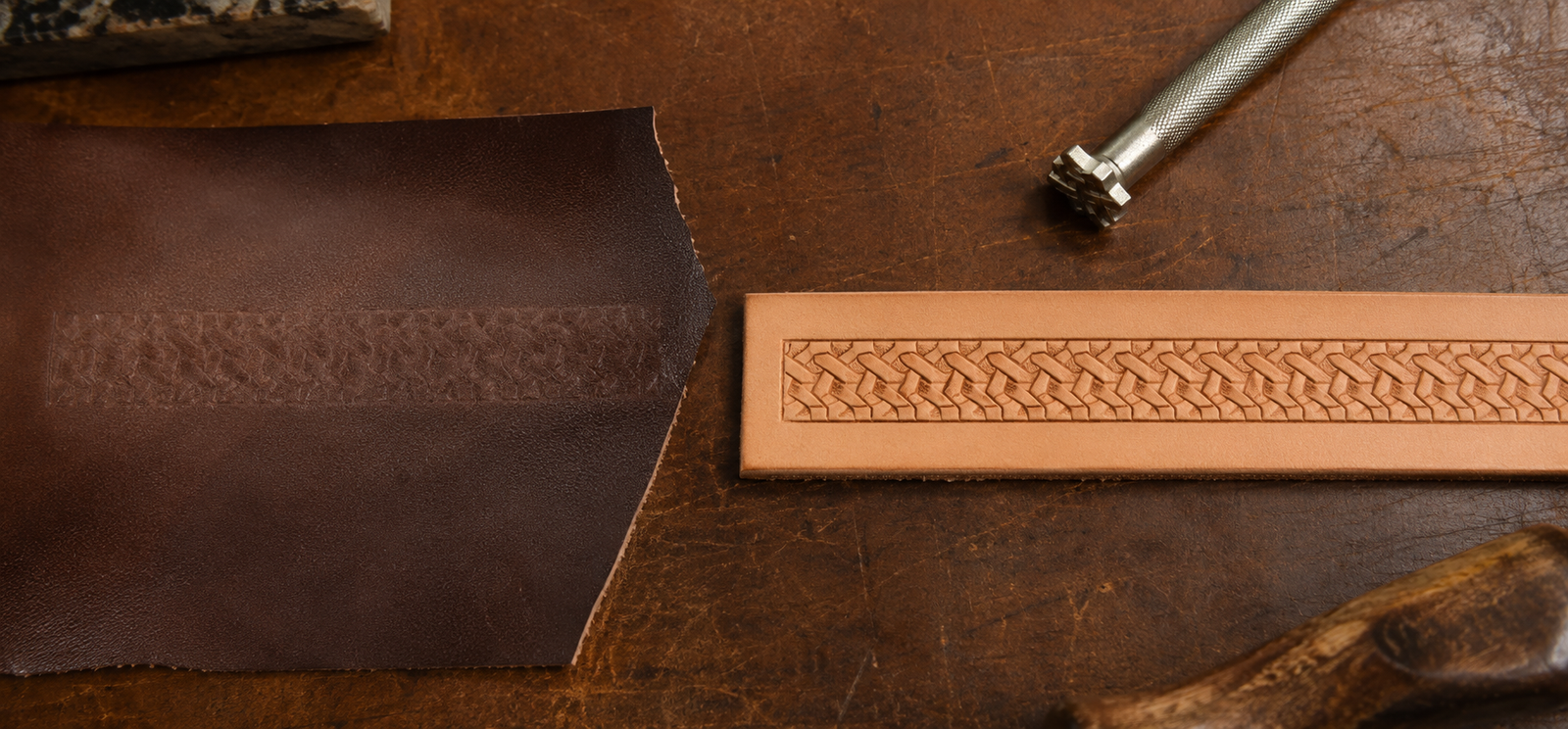
The same stamp, two different leathers. Veg tan holds the impression cleanly. Chrome tan does not. Choosing the wrong material for a tooling project is one of the most common beginner mistakes.
3 Common Buying Mistakes to Avoid
1. Buying soft chrome tan for a tooling project
If your plan includes carving, stamping, wet molding, or creating a firm burnished edge, ordinary soft chrome tan is probably not the material you want. Start with veg tan unless the seller clearly describes the leather as suitable for tooling.
2. Choosing by tanning method but ignoring thickness and temper
Knowing whether a hide is veg tan or chrome tan is only the beginning. A soft two-ounce leather and a firm eight-ounce leather will behave very differently even when they were tanned by the same general method.
Thickness tells you how substantial the leather is. Temper tells you how soft or firm it feels. You need both pieces of information before ordering. Use our Leather Thickness Calculator to match the ounce weight to the project you are building.
3. Treating one tanning method as the “good” leather
Veg tan is not automatically higher quality, and chrome tan is not automatically the cheaper shortcut. They are made for different purposes.
A firm veg tan may be perfect for a molded holster and miserable for a soft jacket. A supple chrome-tanned hide may be excellent for a bag and almost useless for carving. Judge the leather by the project, the tannery, the finish, and the individual hide rather than the tanning method alone.
Ready to Source Your Leather?
Once you know how you want the leather to behave, choosing a supplier becomes much easier. The next step is comparing selection, hide quality, pricing, shipping, and how clearly each seller describes what you are buying.
We have reviewed the suppliers we use, the ones we have considered, and the larger names leatherworkers regularly encounter. The master directory gives you a practical place to compare them before spending money on a full hide.
The Best Leather Suppliers of 2026
Compare leather suppliers by selection, pricing, shipping, reputation, and the types of leather they handle best. It is built to help you find the right seller without opening twenty tabs and starting your research from scratch.